
How to Start and Grow a Successful Boutique Business
Starting a boutique business can be an exciting venture for aspiring entrepreneurs with a passion for fashion and retail. Did you know that the Indian retail industry, which includes boutiques, is projected to grow at a CAGR of 11% over the next five years? This presents a significant opportunity for those looking to enter the market.
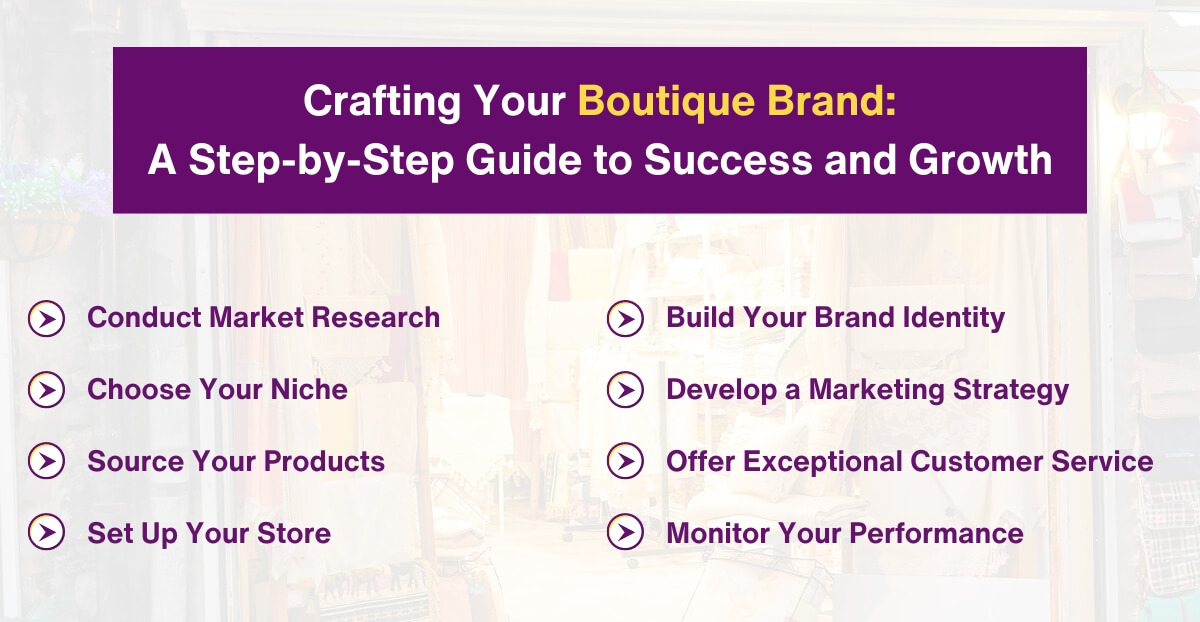
A boutique, being a small retail shop, allows for a personalised shopping experience and can cater to specific customer segments. In this comprehensive guide, we will explore the essential steps on how to start a boutique business, including market research, choosing a niche, sourcing products, setting up your store, and effective marketing strategies. Additionally, we’ll offer practical advice on building a unique brand identity, attracting customers, and scaling your business.
1. Conduct Market Research
Before diving into the world of boutique business, thorough market research is crucial. Understanding your target audience and the competitive landscape helps in making informed decisions. Begin by identifying who your potential customers are—consider their age, income level, lifestyle, and fashion preferences. Research local and online competitors to determine what they offer and identify gaps in the market.
Utilise resources like deAsra’s marketing services to gain insights into effective marketing strategies and understand customer behaviour better. This research will guide you in curating a product selection that resonates with your target audience and sets your boutique apart from others.
2. Choose Your Niche
One of the first steps in how to start a boutique business is to decide on your niche. The fashion industry is vast, so focusing on a specific segment will help you stand out. You could specialise in a particular type of clothing, such as fashion boutique business attire, formal wear, or casual fashion. Alternatively, you might focus on accessories, eco-friendly products, or a specific demographic.
Choosing a niche allows you to tailor your offerings and marketing strategies to your chosen segment, making it easier to attract and retain customers. For instance, if you opt for an eco-friendly boutique, you can emphasise sustainable fashion in your branding and communications.
3. Source Your Products
Sourcing quality products is a critical aspect of running a successful boutique business. Build relationships with reliable suppliers and manufacturers to ensure that you offer high-quality items that meet your customers’ expectations. Request samples to evaluate the quality of fabrics and materials before making bulk purchases.
Consider attending trade shows and fashion events to discover new suppliers and trends. Additionally, explore online platforms and marketplaces where you can connect with vendors and wholesalers. For insights on managing a fashion business and sourcing products, check out our blog on fashion business management.
4. Set Up Your Store
Once you have your niche and products, it’s time to set up your boutique. Decide whether you want a physical store, an online boutique, or a combination of both. Each option has its benefits. A physical store provides a tangible shopping experience and can build strong local customer relationships, while an online boutique offers broader reach and convenience.
If you choose a physical store, select a location with high foot traffic and accessibility. The store layout should be inviting and organised, showcasing your products effectively. For an online boutique, invest in a user-friendly website with high-quality images and detailed product descriptions to enhance the shopping experience.
5. Build Your Brand Identity
Creating a unique brand identity is essential for any boutique business. Your brand should reflect your boutique’s niche, values, and personality. Develop a memorable name, logo, and brand colours that resonate with your target audience. Consistency in branding across your store, website, and marketing materials helps build recognition and trust.
Craft a compelling brand story that communicates your boutique’s mission and vision. This story should be evident in your marketing materials, social media posts, and customer interactions.
6. Develop a Marketing Strategy
An effective marketing strategy is crucial for attracting customers and growing your boutique business. Start by creating a marketing plan that includes both online and offline tactics. Use social media platforms like Instagram and Facebook to showcase your products, share styling tips, and engage with your audience. Consider running paid ads to reach a broader audience and drive traffic to your website.
Offline marketing strategies can include local advertising, hosting events, and distributing flyers. Collect customer emails to send newsletters with updates on new arrivals, promotions, and exclusive offers. Building an email list helps in maintaining customer relationships and encouraging repeat business.
7. Offer Exceptional Customer Service
Exceptional customer service can set your boutique business apart from competitors. Train your staff to provide personalised service and build rapport with customers. Address customer queries and concerns promptly and professionally. Encourage feedback and use it to improve your services and product offerings.
Implementing a loyalty program or offering discounts for repeat customers can also enhance customer satisfaction and retention. A strong focus on customer service fosters positive reviews and word-of-mouth referrals, contributing to your boutique’s success.
8. Monitor Your Performance and Scale Your Business
Regularly monitor your boutique’s performance to ensure it is meeting your business goals. Analyse sales data, customer feedback, and marketing effectiveness to identify areas for improvement. Adjust your strategies based on these insights to enhance your operations and profitability.
As your boutique business grows, consider expanding your product range, opening additional locations, or enhancing your online presence. Scaling your business requires strategic planning and investment, but it can significantly increase your revenue and market presence.
Conclusion
Starting and growing a successful boutique business involves careful planning, market research, and effective execution. By understanding your target market, choosing a niche, sourcing quality products, and implementing a robust marketing strategy, you can build a thriving boutique that attracts and retains customers. Remember to focus on creating a unique brand identity and providing exceptional customer service to stand out in a competitive market.
For more insights on managing and growing your fashion boutique business, refer to resources like deAsra’s marketing services and fashion business management tips. With dedication and strategic planning, your boutique business can flourish and achieve long-term success.
FAQs
1. What is the initial investment required to start a boutique business?
The initial investment for starting a boutique business in India typically ranges from ₹2 lakh to ₹5 lakh. This budget covers expenses such as inventory, store setup, marketing, and initial operational costs. However, the exact amount may vary depending on the location, size of the boutique, and scale of operations.
2. How important is market research for a boutique business?
Market research is crucial for understanding your target audience and the competitive landscape. It helps you identify customer preferences, market gaps, and competitive pricing. Conducting thorough research ensures that you stock products that appeal to your customers and differentiate your boutique from others in the market.
3. Should I start a physical store or an online boutique?
The choice between a physical store and an online boutique depends on your business model and target audience. A physical store offers a tangible shopping experience and builds local customer relationships, while an online boutique provides broader reach and convenience. Many businesses opt for a combination of both to maximise their market presence.
4. How can I build a unique brand identity for my boutique?
Building a unique brand identity involves creating a memorable name, logo, and brand colours that reflect your boutique’s niche and values. Develop a compelling brand story and ensure consistency across all marketing materials and customer interactions. A strong brand identity helps in creating a lasting impression and attracting loyal customers.
5. What are some effective marketing strategies for a boutique business?
Effective marketing strategies include utilising social media platforms to showcase your products, running local advertising campaigns, and building an engaging website. Additionally, consider creating an email list to update customers on new arrivals and promotions. Combining online and offline tactics can enhance your boutique’s visibility and attract more customers.