
Pay Per Click Management for Small Businesses: Essential Tips for Success
In the competitive world of online marketing, pay-per-click management stands out as a crucial tool for small businesses seeking to boost their visibility, drive targeted traffic, and increase sales. With the right approach, pay-per-click management can deliver impressive results and maximize your return on investment (ROI).
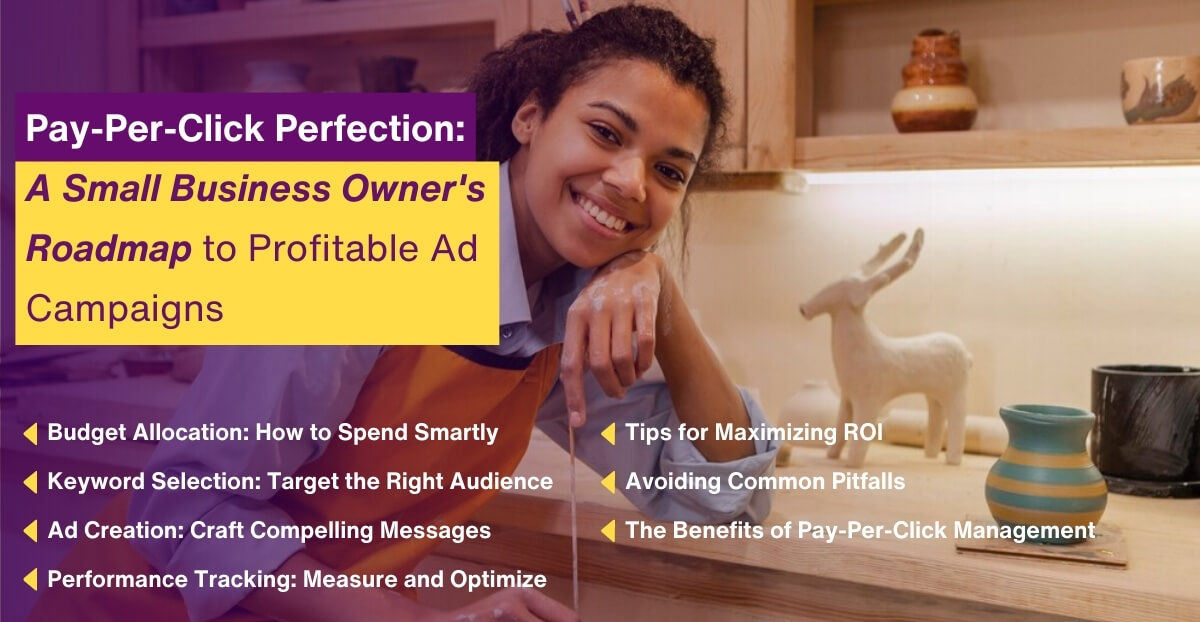
This blog will provide practical advice on managing pay-per-click management campaigns effectively, focusing on budget allocation, keyword selection, ad creation, and performance tracking.
Understanding Pay-Per-Click Management
Pay-per-click management involves creating and managing online ads where businesses pay each time their ad is clicked. These ads appear on search engines like Google, Bing, and social media platforms like Facebook. Unlike organic search, which takes time to build, pay-per-click management offers instant visibility and allows businesses to target specific audiences based on their search behavior.
Budget Allocation: How to Spend Smartly
One of the first steps in pay-per-click management is allocating your budget wisely. Starting with a smaller budget allows you to test different ad variations and keyword strategies without risking too much. For example, you might begin with a daily budget of Rs 500 and adjust based on the results you see.
To effectively manage your budget, focus on the following tips:
- Set Clear Objectives: Define what you want to achieve with your PPC campaign, whether it’s generating leads, increasing sales, or driving website traffic.
- Allocate Wisely: Distribute your budget across different campaigns and keywords based on their performance. Monitor which ads and keywords are yielding the best results and adjust your spending accordingly.
- Avoid Overspending: Keep a close eye on your budget and adjust bids as necessary to prevent overspending on underperforming ads.
For professional assistance, you can check out deAsra’s Pay per click management service.
Keyword Selection: Target the Right Audience
Effective pay-per-click management hinges on choosing the right keywords. Keywords are the terms or phrases users type into search engines when looking for products or services. Selecting the right keywords ensures your ads reach the most relevant audience.
Here’s how to approach keyword selection:
- Conduct Research: Use PPC keyword research tools to identify keywords related to your business. Look for terms that your target audience is searching for and that have a reasonable level of competition.
- Focus on Relevance: Choose keywords that are highly relevant to your business offerings. For example, a mobile pet grooming service might use keywords like “mobile grooming for dogs” rather than more generic terms like “pet grooming.”
- Utilize Negative Keywords: Negative keywords prevent your ads from showing up in irrelevant searches, saving your budget for more qualified leads.
Effective keyword research is essential for a successful PPC campaign. To understand how it can benefit your business, read more about the effectiveness of paid ads here.
Ad Creation: Craft Compelling Messages
Your ads are the face of your pay-per-click management campaign. Crafting compelling ad copy that resonates with your target audience is crucial for driving clicks and conversions.
Consider the following tips for creating effective ads:
- Be Clear and Concise: Use straightforward language to convey your message. Clear ad copy helps users understand what you’re offering quickly.
- Include a Strong Call to Action (CTA): Your ad should guide users toward the desired action, such as “Call us now” or “Sign up today.”
- Highlight Unique Selling Points: Emphasize what sets your business apart from the competition. This could be special offers, unique services, or competitive pricing.
For example, an ad for a local bakery might read: “Freshly Baked Goods Daily – Visit Our Store or Order Online! Special Discounts for First-Time Customers.”
Performance Tracking: Measure and Optimize
Tracking the performance of your pay-per-click management campaigns is essential for understanding what works and what needs improvement. Regularly reviewing key metrics helps you make data-driven decisions and optimize your campaigns for better results.
Here are some key metrics to monitor:
- Click-Through Rate (CTR): Measures how often users click on your ad after seeing it. A higher CTR indicates that your ad is relevant and engaging.
- Conversion Rate: The percentage of clicks that result in a desired action, such as a sale or lead. Tracking this helps you understand how well your landing pages are converting.
- Cost Per Click (CPC): The amount you pay for each click on your ad. Monitoring CPC helps you manage your budget and adjust bids as needed.
Use these insights to refine your strategy. For example, if a particular keyword is driving high traffic but low conversions, consider adjusting your ad copy or landing page to better align with user expectations.
Tips for Maximizing ROI
To get the most out of your pay-per-click management efforts, consider these strategies:
- Start Small and Scale Up: Begin with a manageable budget and gradually increase it as you find successful tactics.
- Test and Iterate: Regularly test different ad variations and landing pages to see what performs best. Use A/B testing to compare different versions of your ads.
- Retargeting: Re-engage users who have previously interacted with your brand. Showing ads to users who have already visited your site can increase the likelihood of conversion.
Avoiding Common Pitfalls
Effective pay-per-click management requires avoiding common mistakes that can undermine your campaign’s success:
- Setting and Forgetting: PPC campaigns need continuous monitoring and optimization. Regularly review and adjust your strategy based on performance data.
- Overlooking Negative Keywords: Failing to use negative keywords can lead to wasted clicks and reduced ROI.
- Ignoring Landing Page Quality: Ensure that your landing pages are relevant to your ads and optimized for conversions.
The Benefits of Pay-Per-Click Management
When managed strategically, pay-per-click management offers numerous benefits for small businesses:
- Better Targeting: Allows precise targeting based on demographics, geography, and user behavior.
- Instant Visibility: Ads appear immediately, providing quick exposure compared to organic search.
- Cost Control: Real-time tracking and budget management enable effective cost control.
- Measurable Results: Detailed metrics help you gauge performance and optimize campaigns for better results.
Conclusion
Pay-per-click management is a powerful tool for small businesses looking to enhance their online presence and drive targeted traffic. By effectively managing your PPC campaigns—through smart budget allocation, strategic keyword selection, compelling ad creation, and diligent performance tracking—you can maximize your ROI and achieve significant growth. Avoid common pitfalls and continuously optimize your strategy to stay ahead of the competition and make the most of your advertising investment.
FAQs
1. What is pay-per-click (PPC) management?
Pay-per-click management involves overseeing online advertising campaigns where businesses pay each time a user clicks on their ad. This includes setting up ads, selecting keywords, managing budgets, and tracking performance to ensure that the campaigns achieve the desired results effectively.
2. How much should I budget for a PPC campaign?
Budgeting for a pay-per-click management campaign depends on your goals and the competitiveness of your industry. Start with a smaller budget, such as $50 per day, to test different ads and keywords. Adjust based on the results to ensure you’re optimizing your spending for the best return on investment.
3. How do I choose the right keywords for my PPC ads?
Selecting the right keywords involves researching terms that your target audience is searching for and that are relevant to your business. Use PPC keyword research tools to find these terms and consider both high-volume and long-tail keywords to balance competition and cost.
4. What is the importance of tracking PPC campaign performance?
Tracking performance in pay-per-click management is crucial for understanding how well your ads are performing. Metrics such as click-through rate, conversion rate, and cost per click help you gauge effectiveness and make data-driven adjustments to optimize your campaigns.
5. How can I improve my PPC ad copy?
To enhance your PPC ad copy, ensure it is clear, concise, and includes a strong call to action (CTA). Highlight unique selling points and address the needs of your target audience. Testing different versions of your ad copy can help identify what resonates best with users.