
What is Brand Awareness? A Beginner’s Guide to Getting Noticed
Understanding Brand Awareness and Why It Matters
Strong businesses are remembered before they are chosen. That recognition begins with brand awareness—a foundational element that shapes how customers recall and trust a business over time. Whether it is a neighbourhood manufacturing unit or a growing service provider, visibility often decides growth. Insights shared on the dreamBIG podcast and practical guidance from deAsra emphasise that building recognition is not accidental; it is structured and intentional. At its core, brand awareness is the ability of your audience to identify your business, remember it, and associate it with a specific value.
For many entrepreneurs, especially those scaling steadily, the challenge is not capability but visibility. A well-planned brand awareness strategy ensures that your efforts are aligned, measurable, and consistent across channels. Without this clarity, even strong businesses struggle to remain top-of-mind. When customers repeatedly see your messaging, your logo, and your values, brand awareness strengthens. Over time, this familiarity builds trust, and trust drives purchase decisions.

The Core Elements That Build Brand Awareness
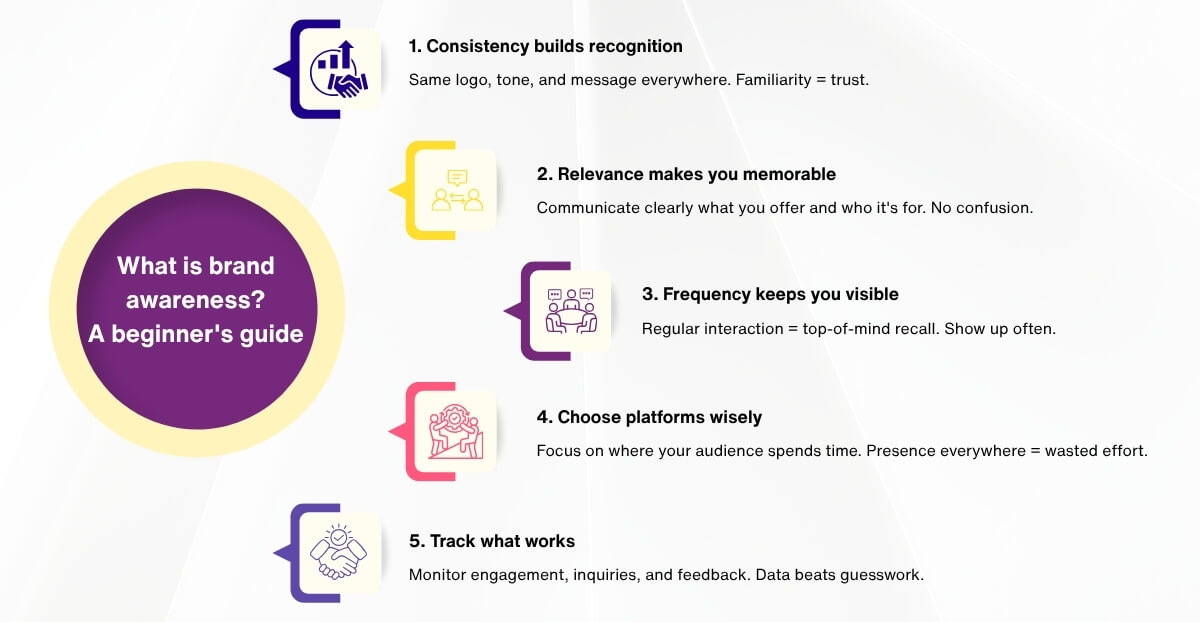
Every effective brand awareness strategy is built on a few essential pillars. The first is consistency. Your messaging, tone, and visual identity must remain aligned across platforms. When customers encounter your business multiple times, consistency ensures that recognition becomes easier. This repeated exposure strengthens brand awareness and builds a reliable identity.
The second pillar is relevance. Businesses that communicate with clarity about what they offer and who they serve are easier to remember. A focused brand awareness strategy avoids confusion and highlights value in a direct way. Mr. Ramesh Iyer, a branding expert featured on the dreamBIG podcast, explains, “Clarity in communication is what turns visibility into recall. Without clarity, awareness remains weak.” His insight reinforces the idea that messaging must be simple, direct, and purposeful.
The third pillar is frequency. Regular interaction with your audience ensures that your brand remains visible. Whether through social media, offline engagement, or partnerships, repetition builds familiarity. Over time, this consistency leads to stronger brand awareness, which then supports business growth.
Practical Steps to Create a Strong Brand Awareness Strategy
Building brand awareness requires structured action. One of the most effective ways to begin is by planning content. A time-saving guide on batching content, using themes, and filling a monthly calendar efficiently can transform how businesses approach marketing. Instead of creating content daily, businesses can plan weekly or monthly themes. This approach ensures consistency while reducing effort.
A well-designed brand awareness strategy includes content that educates, informs, and engages. For instance, a manufacturing business can share production insights, while a service provider can highlight customer experiences. By organising content into themes—such as tips, behind-the-scenes updates, and customer stories—businesses can maintain regular communication without stress.
Another critical step is choosing the right platforms. Not every platform suits every business. A focused brand awareness strategy identifies where the target audience spends time and invests efforts there. This targeted approach improves visibility and ensures better engagement. As Ms. Kavita Sharma, a marketing consultant, notes, “Consistency on the right platform matters more than presence everywhere.” Her perspective highlights the importance of strategic focus.
Leveraging Digital Presence for Greater Visibility
Digital platforms have transformed how businesses build brand awareness. Social media, websites, and online marketplaces offer opportunities to reach wider audiences. However, visibility alone is not enough. A thoughtful brand awareness strategy ensures that every digital interaction adds value.
Content plays a central role in this process. Informative posts, short videos, and customer testimonials contribute to stronger brand awareness. Businesses that share useful information position themselves as credible and trustworthy. Over time, this credibility strengthens recall and improves customer engagement.
Another important aspect is storytelling. Businesses that share their journey, challenges, and achievements create a deeper connection with their audience. This emotional connection enhances brand awareness and builds long-term loyalty. Understanding the balance between personal identity and business identity can further strengthen positioning and communication.
Measuring the Impact of Brand Awareness Efforts
Tracking progress is essential in any brand awareness strategy. Without measurement, it is difficult to understand what works and what needs improvement. Businesses can monitor metrics such as website visits, social media engagement, and customer inquiries to evaluate their efforts.
An increase in these indicators often reflects growing brand awareness. However, qualitative feedback is equally important. Customer comments, reviews, and direct interactions provide insights into how the brand is perceived. A structured brand awareness strategy combines both quantitative and qualitative data to refine its approach.
Consistency in tracking ensures that businesses remain informed and adaptable. When strategies are adjusted based on real insights, brand awareness improves steadily. This continuous improvement creates a strong foundation for long-term growth.
The Role of deAsra in Strengthening Brand Awareness
For many entrepreneurs, navigating branding can feel complex. This is where deAsra plays a significant role. Through its initiatives and the dreamBIG podcast, deAsra supports and engages entrepreneurs by providing practical insights, expert guidance, and structured learning opportunities.
By focusing on real-world challenges, deAsra ensures that businesses can build effective brand awareness strategy frameworks. These frameworks are designed to be practical, scalable, and relevant across industries. Entrepreneurs gain clarity on how to position their brand, communicate effectively, and maintain consistency.
The emphasis on actionable knowledge ensures that brand awareness becomes a structured process rather than a vague concept. With the right guidance, businesses can move from limited visibility to a strong market presence.
Conclusion
Building brand awareness is a deliberate and ongoing process. It requires clarity, consistency, and a well-defined brand awareness strategy that aligns with business goals. When executed effectively, it transforms how customers perceive and remember a brand.
For industry leaders and growing businesses, the focus must remain on creating meaningful connections with their audience. With structured planning, consistent communication, and insights from the dreamBIG podcast, businesses can strengthen their presence and achieve sustainable growth. deAsra continues to support and engage entrepreneurs in this journey, ensuring that awareness translates into long-term success.

FAQs
1. What is brand awareness and why is it important?
Brand awareness refers to how familiar customers are with your business and how easily they recognise it. It is important because it builds trust and increases the likelihood of customers choosing your brand over competitors.
2. How can a small business improve brand awareness?
A small business can improve brand awareness by maintaining consistent messaging, using digital platforms effectively, and engaging regularly with its audience. A clear brand awareness strategy helps ensure focused efforts.
3. What are the key elements of a brand awareness strategy?
A strong brand awareness strategy includes consistency, relevance, and frequency. These elements ensure that the brand remains visible and memorable to the target audience.
4. How long does it take to build brand awareness?
Building brand awareness is a gradual process. It depends on consistency, quality of communication, and audience engagement. With a structured brand awareness strategy, results become visible over time.
5. Can digital marketing alone build brand awareness?
Digital marketing plays a major role in building brand awareness, but combining it with offline efforts can strengthen results. A balanced brand awareness strategy ensures wider reach and deeper impact.