
The Key Elements of a Successful Business Branding Strategy
“Brand is the soul of the organisation.” – Mr. Dhruva Pakhnikar
Why Every Leader Needs a Strong Business Branding Strategy
Imagine a corner grocery shop that knows your name, your favourite biscuit, and greets you with a smile each morning. That tiny store runs a business branding strategy without realising it. Mr. Dhruva Pakhnikar, a global design entrepreneur, shared this insight in the Dream Big podcast. He traced branding back to cattle stamps and revealed its modern truth: customers now define brands through emotions and usability. For industry leaders, a deliberate business branding strategy turns subconscious habits into growth engines.
This guide explores five core pillars of a business branding strategy. Leaders across sectors can apply them today. Discover how deasra’s dreamBIG series unlocks similar wisdom.

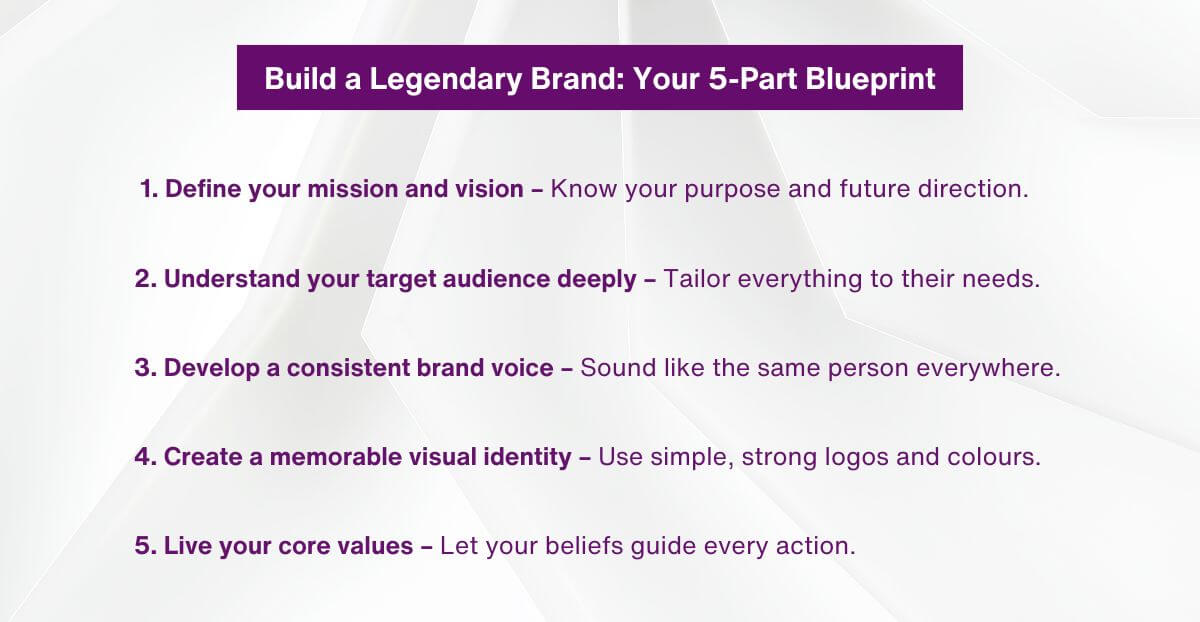
1. Mission and Vision: The North Star of Your Brand Strategy
Every robust brand strategy begins with clarity on purpose and destination. Mr. Pakhnikar urges leaders to answer: Where do we want to be in 40–50 years?
A mission states what you do today. A vision paints the future you build. These elements guide decisions, from hiring to product launches.
Action for leaders: Gather your core team. Write a one-paragraph mission and a one-sentence vision. Pin them above every desk.
A clear mission and vision form the bedrock of any business branding strategy. They align teams and attract customers who share your values.
2. Target Audience: The Heart of Your Small Business Branding Strategy
No small business branding strategy succeeds without knowing who buys, why they buy, and what they feel. Mr. Pakhnikar stresses customer psychology: What do they love? Where can we challenge them?
Map your audience by demographics, psychographics, and pain points. A luxury watch brand targets collectors who value craftsmanship. A budget CRM tool serves solopreneurs who need simplicity.
Framework to use today:
- List 10 real customers.
- Note their age, income, fears, and dreams.
- Spot the pattern. That pattern becomes your ideal buyer persona.
Understanding your audience sharpens every brand strategy. It ensures messages land and products solve real problems.
3. Brand Voice: The Personality Behind Your Brand Strategy
Your brand strategy needs a consistent voice—friendly, bold, or authoritative. Mr. Pakhnikar compares it to dressing for the occasion: formal at board meetings, casual at the beach.
Boat speaks in youthful slang with punchy reds and blacks. Fabindia uses calm, earthy tones to whisper authenticity.
Quick voice audit:
- Review your last 10 emails or posts.
- Do they sound like one person wrote them?
- If not, draft a 3-line voice guide: Tone, taboo words, favourite phrases.
A defined voice builds recognition. It turns one-time buyers into loyal fans through your business branding strategy.
4. Visual Identity: The 5% That Carries 95% of Perception
Logos, colours, and fonts grab attention first. Yet Mr. Pakhnikar warns: “Logo is just 5–10% of the entire business branding strategy.”
Still, that 5% must work hard.
- Logo: Simple, scalable, readable at 1 cm.
- Colours: Red signals energy in India; pastels soothe ice-cream buyers.
- Typography: Clean fonts for tech, serif for heritage.
Apple’s website uses vast white space around one phone. This creates a luxury perception—digital Horror Hokai.
DIY test: Place your logo next to Apple’s or Zara’s. Does it feel balanced? If not, simplify.
Visual identity amplifies your small business branding strategy. It makes first impressions unforgettable.
5. Brand Values: The Soul That Powers Long-Term Brand Strategy
Values are the unspoken promises you keep. They show in SOPs, refund policies, and how junior staff speak to clients.
Infosys built its brand strategy on integrity and transparency. Employees follow scripts that reflect these values, creating trust at scale.
Values checklist:
- List 3–5 non-negotiable beliefs.
- Turn each into one employee behaviour.
- Train, measure, reward.
Values sustain credibility. They protect your business branding strategy during crises and fuel word-of-mouth growth.
Putting It All Together: Your 30-Day Business Branding Strategy Sprint
| Week | Focus | Deliverable |
| 1 | Mission & Vision | One-page North Star document |
| 2 | Target Audience | Buyer persona + 10-customer survey |
| 3 | Brand Voice | 3-line voice guide + 5 sample posts |
| 4 | Visual Identity | Logo, palette, font deck |
| 5 | Brand Values | SOP snippet + team training slide |
Run this sprint quarterly. Your small business branding strategy will evolve with your market.
Branding vs Marketing: A Crucial Distinction
Confusing branding with marketing stalls growth. Branding builds identity. Marketing pushes messages. This deasra blog explains the difference clearly. Master both for exponential impact.
Conclusion: Start Conscious Branding Today
Mr. Pakhnikar reminds us: “Everyone is doing branding subconsciously. Conscious branding is a deliberate exercise.”
Industry leaders, your business branding strategy is not a luxury. It is the soul that turns small shops into empires. Begin with one element today—your vision, your voice, or your values. Consistency over the next 30 days will compound into recall, trust, and revenue.
Your brand is already alive. Now, make it legendary.

FAQs
1. Can a small business afford a full brand strategy?
Yes. A small business branding strategy starts with free tools: a shared Google Doc for vision, Canva for visuals, and customer chats for insights. Mr. Pakhnikar notes even paanwalas run subconscious branding. Formalise it in phases—vision first, visuals later. Budget ₹10,000 wisely on learning, not just logos.
2. How often should we refresh our business branding strategy?
Refresh every 18–24 months or after major pivots. Core vision stays fixed. Voice and visuals evolve with audience tastes. Amul runs the same witty hoarding style for 59 years yet feels fresh. Consistency in soul, skin flexibility—that is smart brand strategy.
3. Is personal branding part of a small business branding strategy?
Absolutely. Founders embody the brand. Ms Jayanti Kathale of Poorna Brahma always wears a Nauwari saree, linking her image to authentic Maharashtrian cuisine. Align your personal style with company values. It accelerates trust and recall in your branding strategy.
4. How do I know if my brand strategy is working?
Measure three signals: repeat purchase rate, unsolicited customer mentions, and employee pride. Survey 10 customers quarterly: “What three words describe us?” If the answers match your chosen adjective, your brand strategy is successful. Track Net Promoter Score alongside revenue.
5. Should service businesses bother with visual identity in their business branding strategy?
Yes. Service brands sell intangibles, so visuals become trust anchors. Use consistent email signatures, presentation templates, and video thumbnails. Persistent Systems applies the same colour palette from pitch decks to office walls. Visual cues make abstract services feel solid in any small business branding strategy.