
Top 10 Online Selling Platforms in India for Small Businesses in 2024
India’s e-commerce sector is on an impressive growth trajectory, with the market projected to reach INR 4,416.68 billion by 2024 and grow at an annual rate of 11.45% to hit INR 7,591.94 billion by 2029. The surge in online selling platforms has been further fueled by the rise of UPI transactions, which amounted to a staggering INR 125.94 trillion in 2022, with over 800 million users tapping into this digital revolution.
With e-commerce users expected to hit 501.6 million by 2029, it’s clear that small businesses have a massive opportunity to capitalise on these platforms to sell products online and scale their operations effectively.
In this blog, we’ll dive into the top 10 online selling platforms that can help small businesses thrive in 2024, offering easy onboarding, low fees, and high product visibility.
1. ONDC (Open Network for Digital Commerce)
The Open Network for Digital Commerce (ONDC) is a standout option in the Indian e-commerce arena. With its mission to democratise online selling, ONDC offers a cost-effective solution with extensive reach.
The platform supports over 5.35 lakh sellers, with a significant portion being small businesses. ONDC provides a wide range of applications, including 65 seller apps, 12 logistics apps, and 22 buyer apps, ensuring broad visibility for products. For businesses aiming to sell products online without hefty fees, ONDC is a promising choice. For strategies on leveraging ONDC, check out Maximising Sales with ONDC Network.
2. Amazon India
Amazon India remains a top pick among online selling platforms due to its vast customer base and robust support system. It offers an intuitive onboarding process, powerful marketing tools, and comprehensive analytics. The platform’s extensive reach and trusted reputation ensure high visibility for products, making it an excellent choice for businesses looking to sell products online effectively.
3. Flipkart
Flipkart is another leading platform known for its user-friendly interface and supportive services. It provides various tools for managing inventory and marketing products, alongside a competitive pricing structure. With its broad customer base, Flipkart is a valuable option for small businesses aiming to boost their online selling efforts.
4. Snapdeal
Snapdeal offers a straightforward and affordable platform for small businesses. It supports a diverse range of product categories and provides a low-cost entry point. The platform’s user-friendly interface and promotional tools make it a practical choice for businesses looking to sell products online with minimal investment.
5. Myntra
Myntra is a specialised online selling platform ideal for fashion and lifestyle brands. It caters specifically to apparel and accessories, offering targeted marketing features and a dedicated audience. Myntra’s high visibility and extensive reach are perfect for businesses in the fashion sector aiming to sell products online effectively.
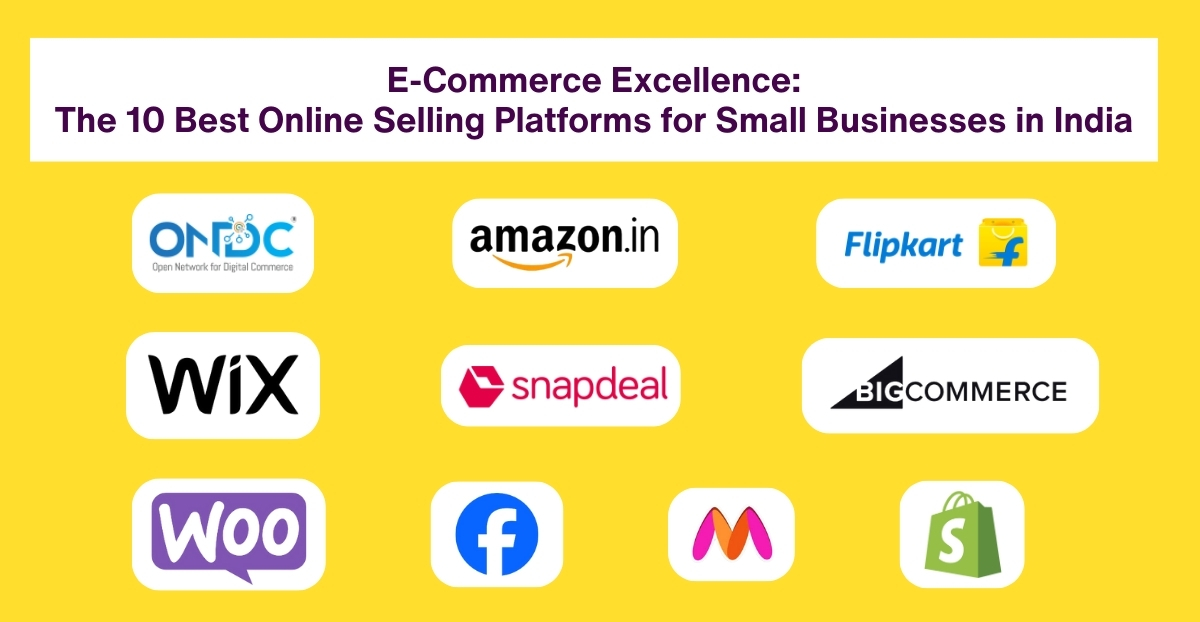
6. Shopify
Shopify is renowned for its flexibility and ease of use, making it a top choice for online selling platforms. It offers customisable templates, payment gateways, and marketing tools, allowing businesses to create a professional online store. Shopify’s comprehensive features help businesses establish a strong online presence and efficiently sell products online.
7. BigCommerce
BigCommerce is designed for businesses seeking scalability and advanced features. It provides extensive tools for managing inventory, marketing, and customer insights. BigCommerce’s focus on omnichannel selling and customer segmentation makes it a powerful platform for businesses looking to optimise their online selling strategy.
8. Wix
Wix is a versatile website builder that includes e-commerce functionality. It’s particularly useful for small businesses needing a simple yet professional platform to sell products online. Wix’s drag-and-drop interface makes store management and customisation easy, making it a practical choice for businesses with limited technical resources.
9. WooCommerce
WooCommerce is a great option for businesses already using WordPress. It allows you to turn your existing WordPress site into a fully functional online store. With a variety of plugins and customisation options, WooCommerce offers flexibility and control for businesses that prefer to manage their e-commerce activities within the WordPress ecosystem.
10. Facebook Marketplace
Facebook Marketplace offers a unique way to sell products online by leveraging social media networks. It is ideal for local sales and provides a platform with no listing fees. Businesses can utilise Facebook’s extensive user base to promote their products and engage directly with potential customers, making it a valuable tool for expanding reach with minimal cost.
4 Tips for Choosing the Right Platform
When selecting an online selling platform, consider the following factors to ensure it meets your business needs:
- Product Type: Different platforms cater to specific product categories. For example, Myntra is ideal for fashion items, while Snapdeal supports a wide range of products.
- Fee Structure: Assess the costs associated with listing fees, commissions, and additional charges. Choose platforms that offer a cost-effective solution for your business.
- Visibility and Reach: Opt for platforms with a large customer base and high visibility to maximise your sales potential.
- Ease of Use: Select a platform with an intuitive interface and strong support to streamline your selling process.
For further insights into online selling platforms and strategies for success, visit deAsra’s Market Linkages Solution section.
By evaluating these top platforms and aligning them with your business needs, you can effectively sell products online and achieve significant growth in the competitive digital marketplace.
FAQs
1. What are the top online selling platforms for small businesses in India in 2024?
In 2024, the top online selling platforms for small businesses in India include Amazon India, Flipkart, Snapdeal, Myntra, and ONDC. Each platform offers unique benefits such as extensive reach, user-friendly interfaces, and various cost structures, catering to different types of products and business needs.
2. How does ONDC benefit small businesses?
ONDC (Open Network for Digital Commerce) benefits small businesses by providing a cost-effective alternative to traditional e-commerce aggregators. It offers lower transaction fees and greater visibility, making it easier for small sellers to reach a wider audience without incurring high costs.
3. What factors should I consider when choosing an online selling platform?
When selecting an online selling platform, consider factors such as the platform’s cost structure, ease of use, target audience, and available features. Evaluate how well each platform supports your product type and business model to ensure it aligns with your needs.
4. Can I integrate my online store with multiple platforms?
Yes, many online selling platforms, like Shopify and WooCommerce, offer integration with multiple channels, including social media and other e-commerce sites. This allows you to manage your sales and inventory from a single dashboard while reaching a broader audience.
5. What are the typical costs associated with using online selling platforms?
Costs vary by platform but generally include listing fees, transaction fees, and commissions on sales. Platforms like Amazon and Flipkart charge different rates based on product categories, while others like Shopify and WooCommerce may have monthly subscription fees. Be sure to review each platform’s pricing structure to choose the best option for your budget.