
Sales Techniques and Strategies for Business Growth: Key Takeaways from Rahul Limaye’s Expert Insights
In a dynamic episode of the Dream Big podcast, sales expert Rahul Limaye, with over three decades of experience, shared invaluable advice on driving business growth through effective sales techniques and strategies. His insights, featured on the deAsra blog, guide industry leaders across sectors to enhance their sales approach.
From mastering customer acquisition to leveraging AI, retaining loyal customers, and choosing between B2B and B2C models, Rahul’s wisdom is perfect for entrepreneurs aiming to scale quickly and cleverly. This blog captures his key advice to help you refine your strategies to increase sales and thrive in competitive markets.
You can listen to the whole podcast here!
The Power of Tailored Sales Techniques and Strategies
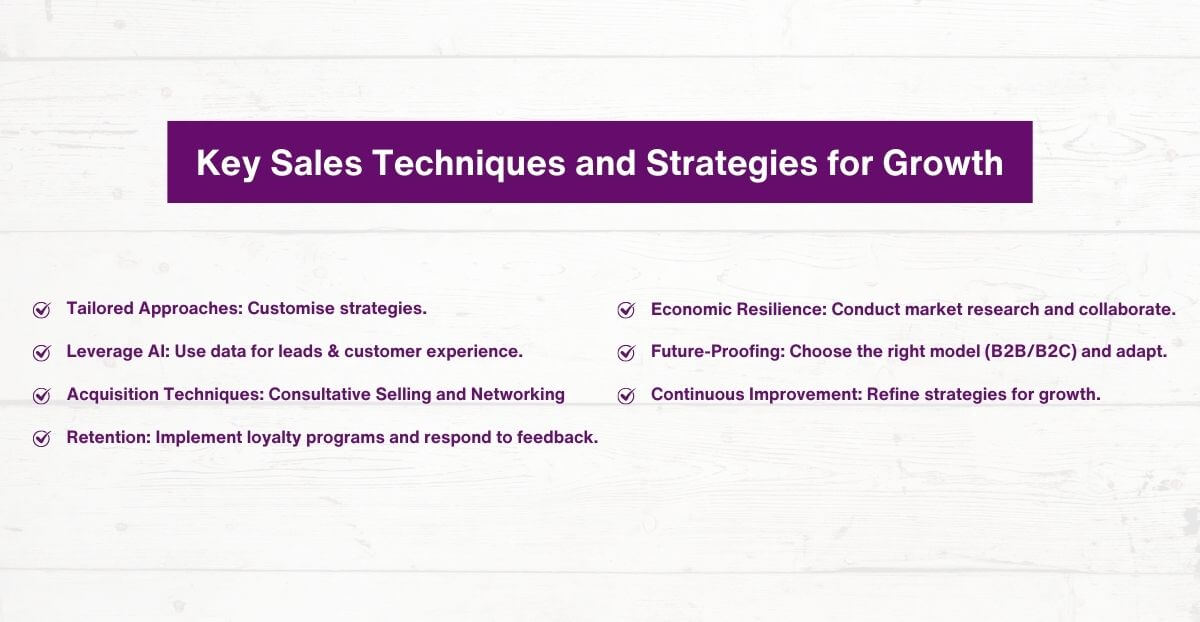
A robust sales strategy is essential for any business. Rahul explained that sales techniques and strategies define how you position your products or services, convincing customers to choose you over competitors. Without a clear plan, your offerings can get lost in the noise, allowing rivals to take the lead. For industry leaders, developing sales techniques and strategies that connect with their specific audience is critical to standing out.
Rahul emphasised that a one-size-fits-all approach doesn’t work. Even businesses in the same industry need unique sales techniques and strategies to highlight their distinct value. For instance, a tech startup selling software must use different tactics than a retailer selling gadgets, even though both operate in technology. Customisation builds trust and drives strategies to increase sales, ensuring customers see the worth of your offerings.
Harnessing AI and Technology for Sales Success
Artificial intelligence (AI) and technology are transforming the sales landscape. Rahul noted that these tools don’t automatically bring customers – they need careful application. AI can analyse vast amounts of data to pinpoint high-quality leads, enabling sales teams to focus on prospects most likely to convert. This targeted approach is one of the most effective sales techniques and strategies for customer acquisition.
Technology also improves customer experiences, making interactions smooth and personal. Rahul referenced MasterCard’s campaign, which positioned its card as a symbol of reliability, showing how technology can enhance perceived value. For industry leaders, using AI as part of strategies to increase sales involves turning data insights into compelling stories that resonate with customers, ensuring every touchpoint feels meaningful.
3 Essential Sales Techniques and Strategies for Customer Acquisition
Rahul shared three powerful sales techniques and strategies to attract new customers:
- Consultative Selling: Focus on explaining a product’s value rather than pushing it. Rahul highlighted Urmila Ben Ashar, who built Gujju Benna Nashta at 77, by sharing her brand’s purpose, fostering trust. This method strengthens strategies to increase sales by building lasting relationships.
- Networking: Meaningful connections are vital for sales. Beyond swapping business cards, networking offers referrals, collaborations, and industry insights. Engaging with someone from a different region can inspire new sales techniques and strategies, boosting customer acquisition.
- Cognitive Presence: A strong presence on social media, print, or offline platforms is crucial. Brands like Apple emphasise experiences, such as camera quality, rather than just products. A consultant sharing tax-saving tips on LinkedIn can achieve a similar impact, making this a key part of strategies to increase sales.
These approaches ensure businesses remain visible and credible, creating a solid foundation for sales growth.
Building Loyalty Through Customer Retention
Acquiring customers is important, but keeping them is often harder in today’s competitive world. Rahul’s sales techniques and strategies for customer retention focus on honesty and outstanding service. Personalised communication, tailored to customer needs, is essential. For example, presenting a product as premium for one group and practical for another keeps messaging relevant.
Rahul outlined practical strategies to increase sales through retention:
- Loyalty Programmes: Reward repeat customers to encourage ongoing engagement.
- Multiple Channels: Be accessible on platforms like Swiggy or Zomato for food businesses. Missing these risks means losing customers to competitors.
- Feedback Response: Address complaints promptly. Inviting a dissatisfied customer back for a better experience shows commitment, enhancing perceived value.
- Community Building: Foster a sense of belonging through targeted offerings, whether for groceries or tech products.
These sales techniques and strategies help industry leaders create loyal customers who return and recommend their brand, driving strategies to increase sales.
Turning Feedback into Sales Opportunities
Customer feedback is a powerful tool for refining sales techniques and strategies. Rahul urged businesses to use feedback to improve products and services, ensuring they meet market demands. For example, a software firm can release a beta version to gather insights, refining the product before launch to spark demand.
Feedback also enhances customer experiences. A restaurant responding to a negative review with an invitation for a better experience builds trust, even if the customer doesn’t return. This approach strengthens engagement and supports strategies to increase sales by refining promotions. Industry leaders can use feedback to craft compelling campaigns, turning insights into growth, as highlighted in deAsra’s sales growth resources.
Staying Resilient in Economic Uncertainty
Economic challenges are unavoidable, but Rahul’s sales techniques and strategies help businesses stay strong. Continuous market research is vital to understand shifting customer preferences. Collaborations are also key. For instance, a fashion boutique partnering with a hotel to display designs gains exposure, while the hotel attracts visitors. This collaborative mindset fosters community engagement, a smart strategy to increase sales.
Rahul also suggested:
- Diversified Revenue Streams: Spread risk by exploring multiple income sources.
- Scenario Planning: Prepare for challenges, like a chemical firm pivoting to hand wash production during the pandemic, boosting profits by 70%.
- AI and Technology: Use these tools to support sales teams, ensuring flexibility.
These sales techniques and strategies enable industry leaders to adapt and thrive, ensuring strategies to increase sales remain effective in tough times.
Preparing for the Future of Sales
Adaptability is essential for future-proofing sales. Rahul’s sales techniques and strategies include ongoing market research to stay ahead of customer trends. Social media polls, such as asking women aged 40–55 about their interest in sari designs, can validate ideas. Positive responses allow businesses to tailor offerings, creating or capturing markets – a clever strategy to increase sales.
The Continuous Role of Market Research
Market research isn’t just for startups – it’s a daily necessity. Businesses generate data from customer interactions, like purchases or non-purchases, offering valuable insights. Monitoring competitors and using AI to explore global markets, from India to Australia, keeps businesses competitive. For deeper analysis, agencies like Gartner can help, but consistent data tracking is a core sales technique and strategy for strategies to increase sales.
B2B vs. B2C: Choosing the Right Model
Deciding between B2B and B2C models requires clarity on four factors:
- Product/Service Type: B2B involves complex solutions, like ERP systems, while B2C focuses on standardised products, like groceries.
- Target Market: B2B targets smaller, high-value markets; B2C targets larger, high-volume markets.
- Sales Cycle: B2B has longer cycles with multiple decision-makers; B2C has shorter cycles with quick decisions.
- Marketing: B2B is content-driven, building trust; B2C uses emotional branding, like a shoe brand promoting posture benefits.
These distinctions help industry leaders align sales techniques and strategies with their goals, enhancing strategies to increase sales.
White Labelling: A Strategic Decision
When considering white labelling, Rahul advised evaluating your goals. Building your brand requires patience, so avoid white labelling if that’s your focus. However, for new businesses needing funds, it’s a practical sales technique and strategy. Producing a product for an established brand in select regions can boost cash flow and visibility, allowing you to later promote your brand independently. This approach supports strategies to increase sales while testing market demand.
Wrapping Up
Rahul Limaye’s sales techniques and strategies provide a roadmap for industry leaders to drive business growth. By tailoring sales approaches, using AI and technology, prioritising customer retention, and staying adaptable, businesses can navigate challenges and seize opportunities. Continuous market research, strategic collaborations, and a focus on perceived value ensure long-term success. To read more blogs, click here!
For more insights on scaling your business, explore deAsra’s resources and Dream Big for expert advice. Keep refining your strategies to increase sales and watch your business soar!
FAQs
1. Why are sales techniques and strategies important for business growth?
Sales techniques and strategies are crucial because they define how a business positions its products or services and convinces customers to choose them over competitors. According to Rahul Limaye, a tailored sales strategy clarifies your market position and builds trust, driving strategies to increase sales. Without a clear plan, businesses risk losing customers to rivals, making these strategies essential for standing out and achieving sustainable growth across industries.
2. How can AI and technology be used in strategies to increase sales?
AI and technology enhance strategies to increase sales by analysing data to identify high-quality leads and improving customer experiences. Rahul Limaye explained that AI helps sales teams focus on prospects likely to convert, while technology creates seamless, personalised interactions. For example, MasterCard’s campaign used technology to highlight convenience, boosting perceived value. Industry leaders can integrate these tools into sales techniques and strategies to craft compelling narratives that drive sales.
3. What are some effective sales techniques and strategies for customer acquisition?
Rahul Limaye shared three key sales techniques and strategies for customer acquisition: consultative selling, which builds trust by explaining a product’s value; networking, which fosters referrals and collaborations; and cognitive presence, which establishes a strong brand on platforms like social media. These approaches ensure businesses remain visible and credible, supporting strategies to increase sales by attracting new customers and fostering long-term relationships.
4. How can businesses improve customer retention using sales techniques and strategies?
To improve customer retention, Rahul Limaye recommends sales techniques and strategies like personalised communication, loyalty programmes, and responsive feedback handling. Being accessible on platforms customers use, such as Swiggy for food businesses, and building community engagement also help. These strategies to increase sales create loyal customers who return and advocate for the brand, ensuring sustained growth in competitive markets.
5. Should businesses choose B2B or B2C models as part of their sales techniques and strategies?
Choosing between B2B and B2C depends on four factors: product type, target market, sales cycle, and marketing approach. Rahul Limaye noted that B2B suits complex, high-value solutions with longer sales cycles, while B2C focuses on standardised, high-volume products with quick decisions. Aligning sales techniques and strategies with these factors helps industry leaders develop effective strategies to increase sales tailored to their business goals.