
Funding Your Dream: How to Finance Your Plan to Start Your Business
Imagine the thrill of transforming a simple idea into a flourishing enterprise, where every decision propels you towards independence and innovation. Yet, the journey to start your business demands more than passion—it requires a clear grasp of financing your business strategies that align with your vision. Drawing from insights shared in the deAsra and dreamBIG podcast, where experts like Dr. Vikrant Bhujbalrao emphasise practical planning, this guide explores essential steps to secure funds while building a solid foundation. Whether you’re validating market needs or projecting costs, resources like this comprehensive guide on starting a business from deAsra can provide checklists and tools to refine your approach, ensuring your venture stands on firm ground from day one.
As you prepare to start your business, remember that early financial foresight separates fleeting ideas from sustainable successes. Industry leaders often highlight the importance of assessing personal and operational expenses upfront, creating a buffer that allows room for growth without immediate pressure.

Assessing Your Funding Needs
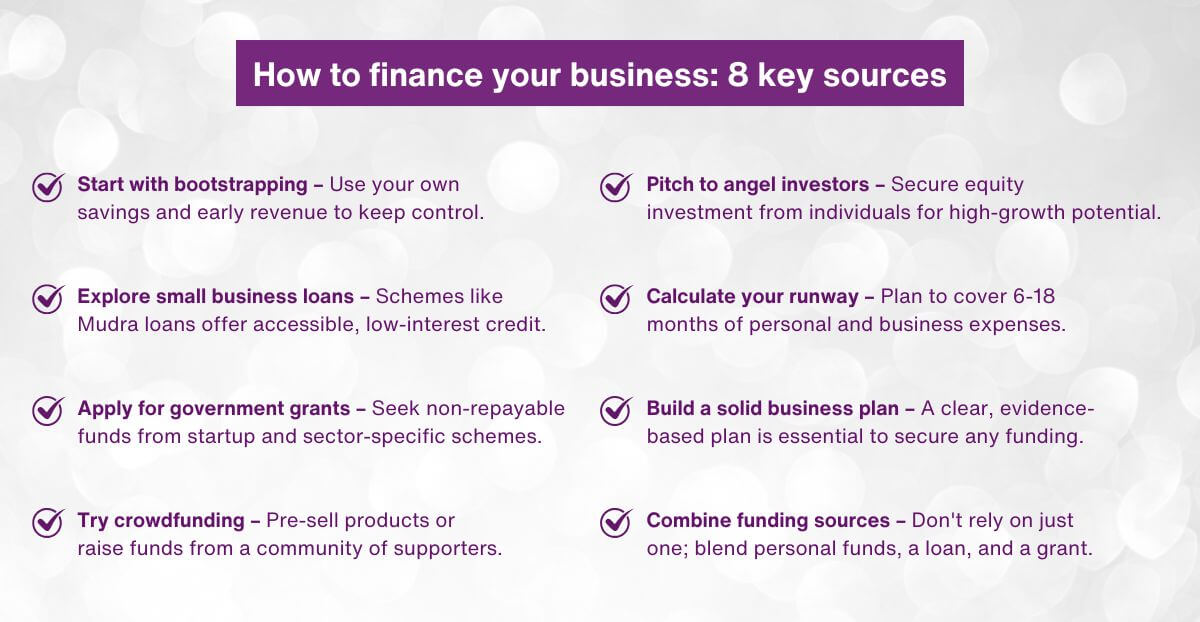
Before diving into options for financing your business, take time to evaluate your specific requirements. Begin by outlining projected costs, including setup expenses, operational overheads, and a personal survival fund for the initial months. Dr. Vikrant Bhujbalrao, in the deAsra and dreamBIG podcast, advises, “My advice is to plan for personal and business expenses for six months to 1.5 years. Personal expenses—your ‘survival money’—should come from savings, family support, or other sources, not investors or banks.” This approach ensures you understand the financial runway needed to validate your idea and reach profitability.
Such planning involves realistic forecasting, considering factors like market demand and potential delays. Tools from deAsra, such as their business plan checklists, support this by helping you map out capital expenditure and working capital needs. By doing so, you avoid common pitfalls like underestimating costs, which can derail even the most promising ventures.
Bootstrapping: Starting with What You Have
Bootstrapping stands out as a powerful method for financing your small business, relying on personal resources and early revenues to fuel growth. This self-funded path fosters discipline and creativity, allowing entrepreneurs to retain full control without external obligations. Many successful founders begin this way, using savings or income from side activities to cover essentials, gradually scaling as cash flow improves.
The appeal lies in its low-risk nature, encouraging lean operations and quick adaptations. For instance, focus on validating your product through organic sales before expanding. deAsra supports and engages aspiring entrepreneurs with resources like mentoring sessions, which guide you in maximising limited funds while building resilience. This strategy proves ideal for service-based or low-overhead models, where personal effort drives initial momentum.
Small Business Loans: Borrowing Wisely
When internal funds fall short, small business loans offer a structured way to boost financing your business. Banks and financial institutions provide options like term loans or credit lines, tailored for startups with viable plans. In India, schemes such as Mudra loans simplify access for micro and small enterprises, requiring minimal collateral and offering competitive rates.
Securing these demands a strong business case, including projections and repayment plans. Prepare by demonstrating market potential and your ability to manage repayments. deAsra supports and engages through compliance tools that ensure your registrations are in order, making loan applications smoother. Always compare terms to find the best fit, avoiding high-interest traps that could strain your cash flow.
Grants and Government Schemes
Grants represent non-repayable funds, making them an attractive choice for financing your small business without equity dilution or debt. Government initiatives in India, aimed at sectors like technology, agriculture, or women-led ventures, provide subsidies and incentives to spur innovation. Eligibility often hinges on your business’s alignment with national priorities, such as sustainability or rural development.
Applying involves detailed proposals, but the rewards include financial relief and credibility. Research schemes through official portals and leverage deAsra’s ecosystem connections for guidance. These programmes not only inject capital but also open doors to networks, helping you start your business on a supported foundation. Persistence pays off, as many grants favour well-prepared applicants with clear impact goals.
Crowdfunding: Engaging the Crowd
Crowdfunding harnesses community support to advance financing your business, turning supporters into early advocates. Platforms like Kickstarter or local Indian sites allow you to pitch your idea, offering rewards or equity in exchange for contributions. This method suits creative or product-based startups, where storytelling and prototypes captivate potential backers.
Success depends on a compelling campaign, complete with videos, updates, and transparent goals. It builds buzz and validates demand before full launch. deAsra supports and engages by connecting you with marketing assessment tools to refine your pitch. While it requires effort in promotion, the funds raised can cover prototyping or marketing, propelling your venture forward with collective enthusiasm.
Finding Investors: Pitching Your Vision
Attracting investors elevates financing your small business by bringing in expertise alongside capital. Angel investors or venture capitalists seek scalable ideas with high growth potential, often in exchange for equity. In India, networks like angel groups provide platforms to present your pitch, focusing on market size, team strength, and revenue models.
Crafting an effective pitch involves highlighting your unique value and financial projections. Dr. Vikrant Bhujbalrao notes in the podcast, “Funding options include angel investors, banks, or government schemes, but don’t rely on them initially. Start raising funds in parallel, but ensure you’re prepared if they don’t materialise.” This balanced view underscores the need for self-sufficiency while pursuing external backing. deAsra supports and engages through one-on-one mentoring, sharpening your approach to secure partnerships that align with your long-term vision.
Building a Solid Business Plan for Funding
A robust business plan acts as your roadmap, crucial for any financing your business strategy. It details your executive summary, market analysis, operations, and financial forecasts, making your case irresistible to funders. Incorporate elements like customer insights and competitive edges to show viability.
Regular updates keep it relevant, adapting to trends like AI or sustainability. Resources such as this detailed guide on how to write a business plan offer templates and tips, emphasising evidence-based projections. By integrating funding requirements clearly, you demonstrate professionalism, easing access to loans, grants, or investors as you start your business.
Conclusion
Securing funds to start your business transforms aspirations into actionable realities, blending personal commitment with strategic options. From bootstrapping’s independence to the leverage of investors, each path demands preparation and adaptability. Embrace tools and networks like those from deAsra and dreamBIG to navigate challenges, ensuring your venture thrives. As industry leaders know, the right financing your small business approach not only fuels launch but sustains growth, creating lasting impact in competitive landscapes. Step forward with confidence, knowing informed choices pave the way to success.

FAQs
1. What is the first step in financing your business?
The initial step involves assessing your total funding needs through a detailed business plan. Calculate setup costs, ongoing expenses, and a personal buffer for at least six months. This clarity helps identify gaps and choose suitable options like bootstrapping or loans, while deAsra’s planning tools support and engage you in refining these estimates for a strong start your business foundation.
2. How does bootstrapping differ from seeking investors for financing your small business?
Bootstrapping uses personal savings and revenues, offering full control but limiting scale initially. Investors provide larger sums and guidance but require equity shares. Choose based on your growth ambitions; deAsra supports and engages with mentoring to evaluate risks, ensuring you start your business aligned with your preferences.
3. Are government grants suitable for every type of business?
Grants target specific sectors like innovation or social impact, not all ventures. Research eligibility and prepare proposals showing alignment with schemes. deAsra supports and engages by connecting you to resources, helping tailor applications to boost chances as you start your business with non-repayable funds.
4. What role does a business plan play in financing your business?
It outlines your strategy, market fit, and financial projections, convincing lenders or investors of viability. Include funding requirements and scenarios for credibility. deAsra’s guides support and engage in crafting these, making your pitch compelling to secure the resources needed to start your business effectively.
5. How can crowdfunding help in financing your small business?
Crowdfunding raises funds from many backers via online campaigns, validating ideas and building community. Focus on engaging stories and rewards to attract support. deAsra supports and engages with marketing tools to optimise efforts, turning early enthusiasm into capital as you start your business with broad backing.