
Employee Retention: Smart Tips for Small Business Owners in India
In the bustling world of small businesses in India, employee retention is a critical challenge. With limited budgets and fierce competition from larger firms offering attractive salaries and perks, keeping talented employees can feel like an uphill battle. Yet, a committed team is the backbone of any thriving business, whether it’s a small restaurant, a boutique, or a startup.
As Ms. Sajiri Chidgupkar, an HR expert with over 16 years of experience, notes in the dreamBIG podcast, “There’s a myth that getting products and services right is the priority, and people are treated as a second-class priority.” This blog examines practical employee retention strategies that small business owners in India can implement to cultivate loyal and motivated teams. From fostering a positive workplace culture to offering growth opportunities, these tips will help you retain talent and drive long-term success.
Why Employee Retention Matters for Small Businesses
Small businesses in India, such as nano and micro enterprises, often operate with lean teams where every employee plays a pivotal role. Losing a key team member can disrupt operations and dent morale, especially when emotional bonds are strong in small setups. Employee retention is about more than just keeping staff; it’s about creating an environment where employees feel valued and motivated to stay.
Ms. Sajiri emphasises, “What’s worse is not training someone who stays.” An untrained or disengaged employee can harm productivity, while a loyal, skilled team drives growth. By investing in employee retention strategies, you ensure your business remains competitive and resilient.
Create a Positive Workplace Culture
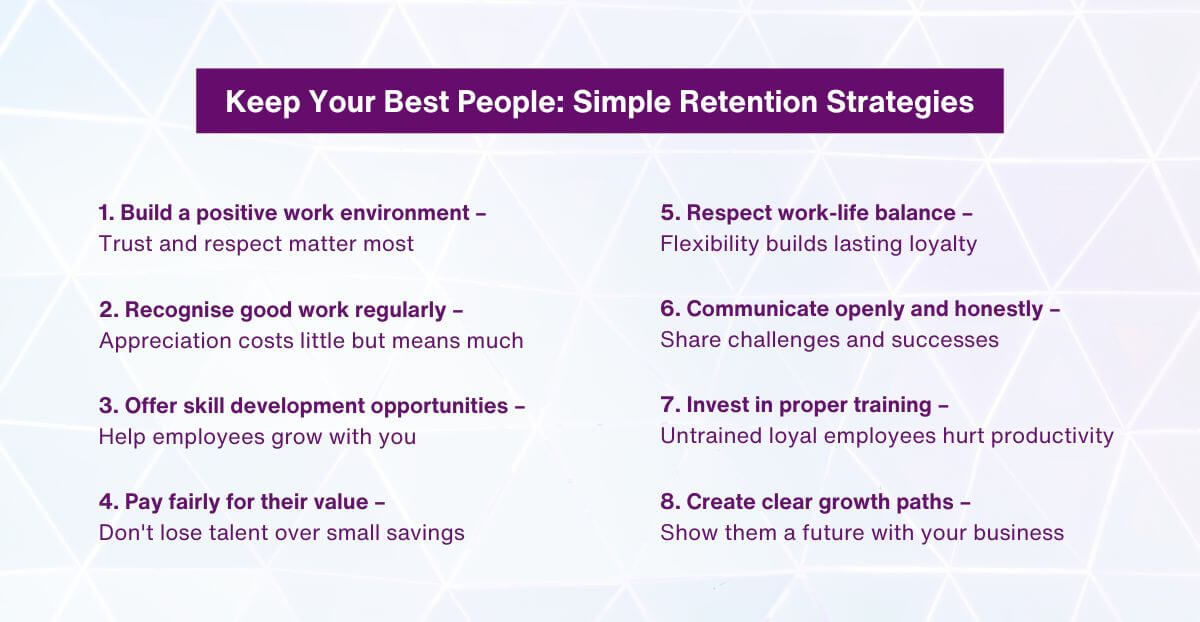
A positive workplace culture is the foundation of employee retention. In small businesses, where teams work closely, fostering a sense of belonging is crucial. Encourage open communication and transparency. Ms. Sajiri suggests, “Create a healthy, transparent culture where employees feel comfortable approaching you to say, ‘I need a break.’” This openness builds trust, making employees less likely to leave.
To cultivate this culture:
- Encourage Feedback: Hold regular, informal check-ins to understand employee needs and concerns.
- Celebrate Small Wins: Recognise achievements, like completing a project or delighting a customer, to boost morale.
- Promote Team Bonding: Simple activities, like a team outing to a local café, can strengthen relationships and create a “feel-good factor” that lasts.
A positive culture not only reduces turnover but also makes your business a place where employees want to stay.
Recognise Employee Contributions
Recognition is a powerful tool for employee retention. Small business owners can show appreciation without breaking the bank. A simple “thank you” or public praise during a team meeting can go a long way. For example, acknowledging an employee who handles a difficult customer with care can make them feel valued and appreciated. Consider low-cost rewards like a handwritten note or a small gift voucher. These gestures show employees their efforts matter, encouraging them to stay committed.
Offer Growth Opportunities
Employees often leave when they feel stuck. Employee retention strategies that focus on growth can keep talent engaged. Small businesses may not offer rapid promotions, but you can provide learning opportunities. The deAsra blog on employee training highlights hands-on training as a cost-effective way to upskill employees.
For instance, pairing a new hire with a senior team member to learn a skill like inventory management can boost confidence and loyalty. Show employees a clear path for skill development, even if it’s mastering new tasks within their role.
Maintain Fair Pay
While small businesses may struggle to match corporate salaries, fair pay is critical for employee retention. Ms. Sajiri advises against being “overly frugal with salaries.” Create a manpower budget to ensure competitive pay for skilled roles. For repetitive roles, like customer service, accept that some turnover is natural, but for critical positions, invest in fair compensation to retain talent. Regularly review salaries to stay aligned with market rates, ensuring employees feel valued for their skills.
Ensure Work-Life Balance
Work-life balance is a key driver of employee retention. Small businesses in India often demand long hours, but flexibility can make a difference. Allow employees to take short breaks or adjust schedules for personal needs, like attending a family event. This flexibility shows you care about their well-being, fostering loyalty. Encourage a culture where employees feel comfortable discussing their needs without fear of judgment.
Practical Employee Retention Strategies
Here are additional employee retention strategies tailored for small businesses:
- Onboarding with Clarity: Document a simple onboarding process to set clear expectations from day one. This helps new hires feel confident and reduces early turnover.
- Transparent Communication: Share your business’s vision and challenges openly. When employees see their role in the bigger picture, they’re more likely to stay.
- Address Skill Gaps: Identify and train employees on missing skills, such as using basic software, to boost their productivity and confidence.
These strategies require minimal resources but have a significant impact on employee retention.
Overcoming Common Challenges
Small business owners often face hurdles in employee retention. One common issue is the fear of training employees who might leave. However, as Ms. Sajiri points out, not training employees who stay is a bigger risk. Another challenge is handling “know-it-all” employees. Engage them in open discussions to align their skills with your business’s unique needs. Finally, emotional attachments in small teams can make letting go difficult. Build a culture where employees feel loyal but understand that some turnover is part of growth.
The Long-Term Impact of Employee Retention
Investing in employee retention strategies creates a virtuous cycle. A motivated, skilled team delivers better results, enhancing customer satisfaction and business growth. A strong culture of learning and appreciation can make your business stand out, attracting talent even in competitive markets. By prioritising employee retention, you build a team that’s not just productive but also deeply committed to your vision.
FAQs
1. Why is employee retention important for small businesses in India?
Employee retention is crucial for small businesses in India because losing a key team member can disrupt operations and affect morale, especially in tight-knit teams. A stable workforce ensures consistent productivity and customer satisfaction, which are vital for growth. By investing in employee retention strategies, such as fostering a positive culture and offering growth opportunities, small business owners can build loyal teams that drive long-term success without the constant cost of hiring and training new staff.
2. How can small businesses train employees effectively without a dedicated trainer?
Small businesses can achieve effective training by focusing on hands-on, on-the-job learning, as highlighted in the deAsra blog on employee training. Business owners or senior employees can provide role clarity and address skill gaps through regular, documented sessions, such as spending an hour a day teaching a specific task. This approach ensures employees are well-equipped without requiring expensive external trainers.
3. What are some cost-effective employee retention strategies for small businesses?
Cost-effective employee retention strategies include recognising employee contributions with simple gestures like praise or small rewards, as suggested in the dreamBIG podcast. Encouraging open communication, offering flexible schedules, and organising team-bonding activities, like a group outing, can boost morale and loyalty. These low-cost efforts create a supportive environment that makes employees want to stay.
4. How can small business owners handle employees who think they know everything?
To manage “know-it-all” employees, small business owners should engage in open discussions to assess their skills and explain how the business’s unique context requires specific approaches, as advised by Ms. Sajiri in the dreamBIG podcast. Acknowledge their expertise, but clarify expectations and cultural differences. This dialogue helps align their skills with the organisation’s needs, reducing resistance and improving employee retention.
5. What should small businesses do if employees leave after being trained?
While it’s frustrating when trained employees leave, small business owners should view training as an investment, not a loss, as Ms. Sajiri notes: “What’s worse is not training someone who stays.” Focus on creating a culture of learning and fair pay to minimise turnover. For roles with natural attrition, like customer service, streamline training to make onboarding new hires easier, ensuring employee retention for critical positions through targeted efforts like growth opportunities.