
Branding for Small Businesses: Dhruva Pakhnikar’s Guide to Growth
A local baker remembering your favourite pastry or a tailor greeting you warmly – these small businesses are branding, even without a logo. In deAsra’s Dream Big podcast, Dhruva Pakhnikar, founder of Dominic’s Design Global, reveals expert strategies for branding for small businesses.
“The history of branding goes back to humanity when they had cattle… to make other farmers understand that this cattle is mine,” he says, tracing branding’s roots from ownership to customer emotions. With over 500 brands crafted, his expertise, which is aligned with deAsra’s branding growth guide, offers industry leaders practical strategies. This blog explores why branding for small businesses is vital and how to implement it.
The Evolution and Power of Branding
Branding began with marking cattle, evolved into authenticity seals on wine bottles, and grew into visual and verbal communication. Modern brands like Google invite customers to “use” them, focusing on emotional connections. How important is branding for a small business? It builds trust and loyalty, turning interactions into lasting impressions.
For small businesses, branding for small business shapes customer perceptions. Even a tiny shop can stand out by crafting memorable experiences, making branding essential in competitive markets.
Beyond Visuals: The Essence of Branding
Many equate branding for small businesses with logos or taglines, but visual elements are only 5-10% of branding. It’s the business’s core vision, values, and interactions – like choosing outfits for specific settings: formal for work, casual for leisure. How important is branding for small businesses? It makes businesses unforgettable.
A grocery shop builds its brand through product quality and service speed. Formalising these efforts is like exercising intentionally to achieve desired outcomes, enhancing natural strengths.
Core Branding Elements:
- Long-term vision.
- Unique market position.
- Customer preferences.
- Context-specific messaging.
- Consistent service.
Every Business Brand – Make It Intentional
All businesses engage in branding for small businesses subconsciously. A paanwala remembering preferences or choosing a prime location builds loyalty and visibility. How important is branding for a small business? It differentiates you from competitors.
Formalising branding is never too late, even after years. Like structuring supply chains or employee systems, intentional branding drives growth. There’s no wrong time, but it must be deliberate to target the right customers.
Formalising Steps:
- Define long-term goals.
- Gather employee brand views.
- Analyse customer feedback.
- Review communication channels.
- Align with your vision.
Building Brand Recall
In an information-saturated world, branding for small businesses needs recall – being remembered at decision points. Brands like Patanjali (indigenousness) or Boat (youth culture) link to one idea, leveraging the principle that people recall pairs. How important is branding for small businesses for recall? It’s the difference between being chosen or forgotten.
Repetition, or the exposure effect, builds preference, like logos flashing at events. Amul’s decades-long billboard campaign, blending current events with style, ensures recall with minimal space. Digitally, Apple’s minimalist website uses space to signal value, following the “Horror Vacui” principle. Learn more in deAsra’s social media branding guide.
Recall Strategies:
- Connect to one authentic concept.
- Maintain consistent messaging.
- Engage senses repeatedly.
- Innovate creatively.
Service Businesses: Consistency in Interactions
Service businesses, lacking tangible products, rely on human interactions for branding for small businesses. Employee communication shapes customer perceptions significantly. How important is branding for small businesses in services? It fosters trust and loyalty.
Large firms standardise interactions through guidelines, ensuring consistent experiences. A negative interaction, like a product failure, can damage perceptions, just as poor service harms reputation.
Service Branding Tips:
- Develop interaction guidelines.
- Train staff on brand values.
- Align teams with the vision.
Common Branding Mistakes to Avoid
Dhruva highlights pitfalls undermining branding for small businesses:
- Misunderstanding branding as visuals.
- Copying competitors’ irrelevant campaigns, like holiday tie-ins.
- Failing to increase value as the business grows.
- Ignoring design principles, like balance or readability.
- Overloading logos with excessive elements.
Established brands must communicate carefully to maintain credibility. Irresponsible messaging can erode trust, as brands influence emotions and behaviours.
Tools and Pricing Strategies
AI tools like ChatGPT, Gemini, and Canva aid branding for small businesses, enabling visuals, text, and audio creation. They’re like gym equipment – effective only with strategy. How important is branding for a small business with tools? It hinges on execution.
Pricing should reflect value. If branding enhances products or services based on customer feedback, prices can rise. Luxury brands justify high costs with unique details, while budget brands may lower costs strategically.
Pricing Tips:
- Align prices with value.
- Consider audience budgets.
- Highlight aspirational or practical value.
Personal Branding’s Impact
Personal branding enhances branding for small businesses by connecting customers to the business’s leader. Poorna Brahma’s founder, wearing a Nauwari saree, ties her restaurant to Maharashtrian authenticity, boosting recall. Historically, brands like Tata began with the founders’ names, showing personal branding’s impact. How important is branding for small businesses through founders? It builds trust and inspires.
Leaders should align their image with the business’s vision to foster loyalty and stand out.
Partnering with a Branding Agency
Busy founders lack time for branding for a small business. Delegating daily tasks frees bandwidth for strategic efforts like branding. How important is branding for a small business with professional help? It’s transformative.
Choose an agency that understands branding’s essence, beyond visuals, and aligns with your vision. Look for partners offering market connections. Monitor tangible deliverables (visuals) and intangible outcomes (team alignment).
Agency Selection Tips:
- Prioritise agencies focused on brand identity.
- Ensure vision alignment.
- Value market expansion opportunities.
Conclusion
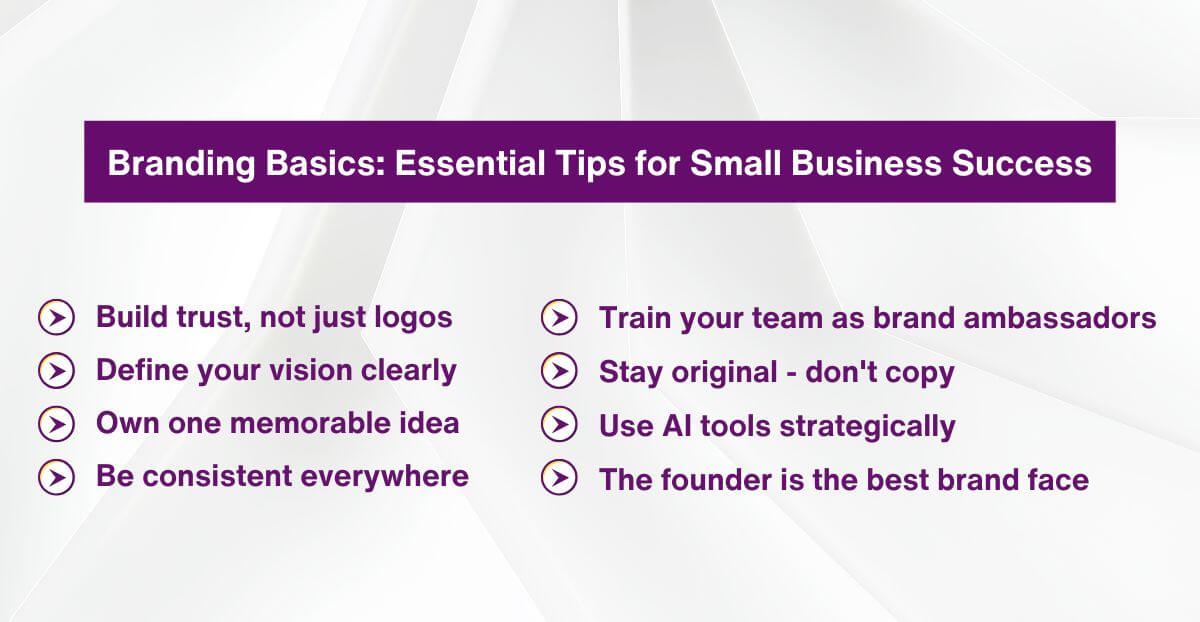
Dhruva Pakhnikar’s insights show that branding for small businesses is about nurturing identity and customer connections. Every business brand subconsciously formalising it fuels growth. Industry leaders should clarify their vision, use tools strategically, and ensure consistency. Personal branding and agencies amplify impact when aligned.
The key is consistent messaging. Document your brand’s efforts and align them with customer expectations. How important is branding for a small business? It’s the foundation for a trusted name.
FAQs
1. What is branding for small businesses, and is it just about creating a logo?
Branding for small businesses is about shaping the business’s identity and how customers perceive it, encompassing vision, values, customer interactions, and communication. It’s not just about logos, which represent only 5-10% of branding. For example, a small shop builds its brand through consistent service and product quality, like a paanwala remembering a customer’s order. Branding for small businesses creates emotional connections, making it essential for trust and loyalty.
2. How important is branding for small businesses if I’ve been operating for years without formal branding?
How important is branding for a small business? It’s critical for growth, even if you’ve operated for years. All businesses brand subconsciously through customer interactions or location choices. Formalising branding for small businesses – by defining your vision, understanding customer feedback, and aligning communication – enhances recall and loyalty. There’s no wrong time to start; it’s like structuring operations to scale, ensuring you stand out in competitive markets.
3. How can small businesses create brand recall on a limited budget?
Branding for small businesses can achieve recall affordably by linking to one authentic idea, like associating with simplicity or authenticity. Consistency in messaging across word-of-mouth or digital platforms builds preference through repetition, similar to how repeated exposure to a brand logo sticks in the mind. Tools like Canva or AI platforms help create visuals, but the key is strategic intent. How important is branding for small businesses for recall? It ensures customers choose you at decision points.
4. What are the common mistakes to avoid in branding for small businesses?
Common pitfalls in branding for small businesses include misunderstanding branding as just visuals, copying competitors’ irrelevant campaigns (e.g., holiday promotions), undervaluing the brand by not adjusting prices as quality improves, ignoring design principles like balance, and overcomplicating logos. How important is branding for small businesses in avoiding these errors? Avoiding these errors maintains credibility and ensures your brand resonates authentically with customers.
5. Should small business owners invest in personal branding, and how does it help?
Personal branding significantly boosts branding for small businesses by connecting customers to the founder’s story, fostering trust. For instance, a restaurateur wearing traditional attire can tie their business to cultural authenticity, enhancing recall. How important is branding for small businesses through founders? It inspires customers and employees, especially for small businesses, but founders must align their image with the business’s vision for maximum impact.