dreamBIG: A Masterclass on Social Media Marketing for Small Businesses
In today’s digital age, social media for small businesses is a vital tool for nano-entrepreneurs and industry leaders aiming to transform dreams into reality. Inspired by the dreamBIG podcast from deAsra Foundation and Yashaswi Udyojak, featuring Sagar Babar, CEO of Comsense Technology, this blog explores social media marketing for small businesses.
Whether you’re managing a café in Mumbai or a startup in Satara, mastering social media for small businesses can boost visibility, credibility, and growth. Want to stand out? Let’s dive into practical strategies to elevate your brand. For further insights, visit deAsra’s blog.
Why Social Media Marketing for Small Businesses Is Essential
Customers are constantly scrolling on their phones, as Babar notes: “Your consumer is scrolling, so your business must be where they are.” This makes social media for small businesses indispensable. It’s not just about posting; it’s about reaching customers on their preferred platforms, whether they’re young shoppers on Instagram or professionals on LinkedIn. Social Media Marketing for Small Businesses hinges on being present where your audience is.
Success lies in planning. Babar highlights that 80% of the work is understanding your audience – their habits, preferences, and platforms – while execution is only 20%. For small businesses, this means researching customer demographics before creating content. Nail this, and social media for small businesses becomes a powerful way to build trust and drive growth.
Selecting the Right Platform for Social Media for Small Businesses
With so many platforms, choosing the right one can feel daunting. Babar simplifies it by focusing on five key options:
- Instagram: Ideal for under-30s, especially with short videos. Perfect for trendy, youth-oriented brands.
- Facebook: Best for those over 30, particularly in smaller towns, and great for community building.
- YouTube: Suits mature audiences with long-form content or quick Shorts for wider reach.
- LinkedIn: The top choice for B2B, focusing on professionally written posts and videos.
- Twitter: Useful for branding and maintaining a presence, less for direct sales.
For social media marketing for small businesses, Instagram videos are currently the most effective format. Begin with Instagram or Facebook to grow your audience, then shift to YouTube for deeper engagement. The key is understanding your customer’s age, location, and interests. For more guidance, check deAsra’s social media strategy.
Developing a Strong Content Strategy
Content is the core of social media for small businesses. Should posts differ across platforms? Babar says yes, unless your audience overlaps significantly. A Gen Z Instagram user wants vibrant, quick visuals, while a LinkedIn professional prefers detailed text. Tailoring content ensures you connect with each platform’s unique audience.
For nano entrepreneurs, social media marketing for small businesses starts with authenticity. Share your daily operations, customer experiences, or industry insights. This creates visibility, credibility, and opportunity. Babar advises preparing two months’ worth of content in advance and maintaining a one-month buffer to handle delays. Batch-create weekly or monthly to stay consistent, as daily posting is challenging for most.
Is Content Creation Mandatory?
Yes, it’s essential. Babar explains that people connect with individuals, not faceless brands. Iconic figures like Ratan Tata for Tata or Steve Jobs for Apple show how founders humanise businesses. By sharing your journey, you make your brand relatable. This is why social media for small businesses thrives on storytelling. Whether you’re a florist in Liverpool or a consultant in Leeds, your story sets you apart.
Engagement is critical, too. Posting without interaction is ineffective. Babar’s growth from 50 views to 20,000 followers proves consistency outweighs instant results. Reply to comments, answer questions, and build a community. This approach makes social media marketing for small businesses a tool for fostering loyalty.
Establishing Credibility Through Social Media for Small Businesses
Credibility requires two elements: a high-quality product and valuable content. Babar built trust by sharing his work with Comsense Technology and his international schools. For small businesses, this means offering expertise. A solicitor could share tips on insurance claims, while a baker might post recipes. Specific, in-depth content builds trust and positions you as an expert.
Social Media Marketing for Small Businesses also improves client interactions. While direct sales may not always result, the trust you cultivate opens doors to partnerships and opportunities. It’s a long-term strategy with significant rewards.
Differentiating Your Brand Online
With countless businesses competing for attention, how do you stand out? Babar’s answer is to tell your unique story. His focus on Marathi content for Maharashtra entrepreneurs created a niche. Whether you’re selling crafts in Bristol or snacks in Birmingham, share your purpose and journey. This authenticity makes social media for small businesses a powerful differentiator.
Managing Social Media Marketing for Small Businesses
Many nano-entrepreneurs fear content creation or lack funds for professional support. Babar’s advice is to start small. Use your smartphone to create authentic, if imperfect, content. Quality is a bonus, but not posting is a missed chance. Online courses can enhance your skills, making social media for small businesses accessible to everyone.
If you can hire an agency, do so – but keep strategy in your hands. Your vision guides the campaign. When collaborating with agencies, trust experienced team members, but don’t dwell on creative disagreements. Experiment, analyse, and adjust based on data. This practical approach ensures that social media marketing for small businesses delivers results.
Leveraging Analytics
Analytics are crucial for social media for small businesses. Surface metrics like likes and comments are useful, but deeper insights – engagement time, audience location, and behaviour patterns – are vital. Tools like Instagram Insights, LinkedIn Analytics, and Google Analytics reveal what’s working. Review these weekly to stay on course. For local businesses, geo-targeting in paid ads – targeting specific locations, ages, or languages – is essential.
Quick Tips for Social Media Marketing for Small Businesses
Babar’s rapid-fire tips are invaluable:
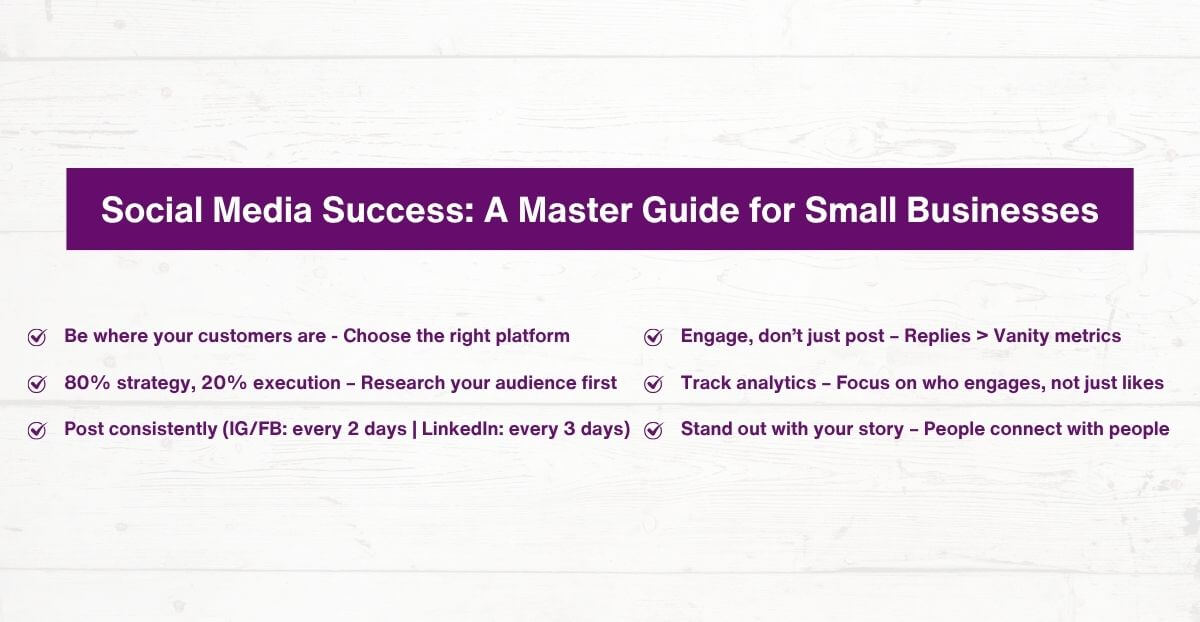
- Posting Frequency: Instagram and Facebook every 2 days; LinkedIn every 3 days.
- Growing Instagram: Create a unique style and niche.
- Reputation Management: Be authentic to build trust.
- Biggest Mistake: Ignoring storytelling.
- Staying Ahead: Use analytics for insights.
- Top Tool: ChatGPT for content ideas.
- Consistency vs. Creativity: Consistency is key.
These tips make social media for small businesses manageable and effective, even for time-strapped entrepreneurs.
Conclusion: Discipline Drives Success
Social Media Marketing for Small Businesses is non-negotiable in today’s world. As Babar says, “Educate yourself, create content, and stay disciplined.” Whether you’re a jeweller in Glasgow or a tech founder in Manchester, social media for small businesses levels the playing field. It’s not about perfection – it’s about showing up, engaging, and sharing your story.
Take action now. Create your first post, analyse your audience, and commit to consistency. The dreamBIG podcast shows that small steps lead to big results. Subscribe to deAsra Foundation’s channels for more guidance, and let social media marketing for small businesses propel your brand forward.
FAQs
1. Why is social media for small businesses essential for growth?
Social media for small businesses is critical because customers are constantly scrolling on their phones, making platforms like Instagram and Facebook key places to reach them. As highlighted in the dreamBIG podcast, Social Media Marketing for Small Businesses builds visibility, credibility, and opportunities by connecting you directly with your audience. It’s about being where your customers are, ensuring your brand stays relevant and trusted.
2. How do I choose the right platform for Social Media Marketing for Small Businesses?
Selecting the right platform depends on your audience’s demographics. For example, Instagram suits under-30s, Facebook targets those over 30, LinkedIn is ideal for B2B, and YouTube works for mature audiences with long-form content. The blog advises starting with Instagram or Facebook for social media for a small business, then moving to YouTube as your audience grows. Research your customers’ age, location, and preferences to make an informed choice. For more tips, visit deAsra’s social media strategy.
3. Do I need to create different content for each platform in social media for a small business?
Yes, unless your audience overlaps significantly across platforms. The dreamBIG podcast explains that Gen Z on Instagram prefers vibrant, short videos, while LinkedIn users value detailed, professional posts. Tailoring content for each platform ensures you resonate with its unique audience, maximising the impact of Social Media Marketing for Small Businesses. Start with authentic stories and adapt them to fit each platform’s tone and format.
4. How can I manage social media for a small business without a big budget?
Nano entrepreneurs can start small by using their smartphones to create genuine content, as advised in the blog. Online courses can help improve skills, and tools like ChatGPT can spark content ideas. If you can afford an agency, hire one, but keep strategy in-house to maintain your vision. Social Media Marketing for Small Businesses doesn’t require perfection – consistency and authenticity are key. Not posting is a bigger mistake than posting imperfect content.
5. How important are analytics in Social Media Marketing for Small Businesses?
Analytics are vital for success in social media for small businesses. Beyond likes and comments, you should track engagement time, audience location, and behaviour patterns using tools like Instagram Insights or Google Analytics. The blog recommends reviewing analytics weekly to refine your strategy. For local businesses, geo-targeting in paid ads is crucial to reach specific audiences, ensuring Social Media Marketing for Small Businesses delivers measurable results.