
Effective Guide to Crafting a Business Plan for Success
Creating a business plan is an important step for anyone starting a business. A good business plan helps you to map out your business goals, plan your finances, and even attract potential investors or get a bank loan. It acts as a guide for your journey, giving you a clear path to follow as you grow.
You can learn more about why a solid business plan is so valuable in this blog on securing business loans. Let’s explore the key steps to create an effective business plan that will set you up for success.
Why a Business Plan is Essential
A business plan is a strategic tool for guiding your business’s growth, securing funding, and structuring your operations. Whether you’re a new entrepreneur or an experienced business owner, writing a plan will help clarify your goals and solidify your path forward. According to deAsra’s guide on business planning and idea validation, a solid plan is an essential foundation for turning a great business idea into a sustainable and profitable venture.
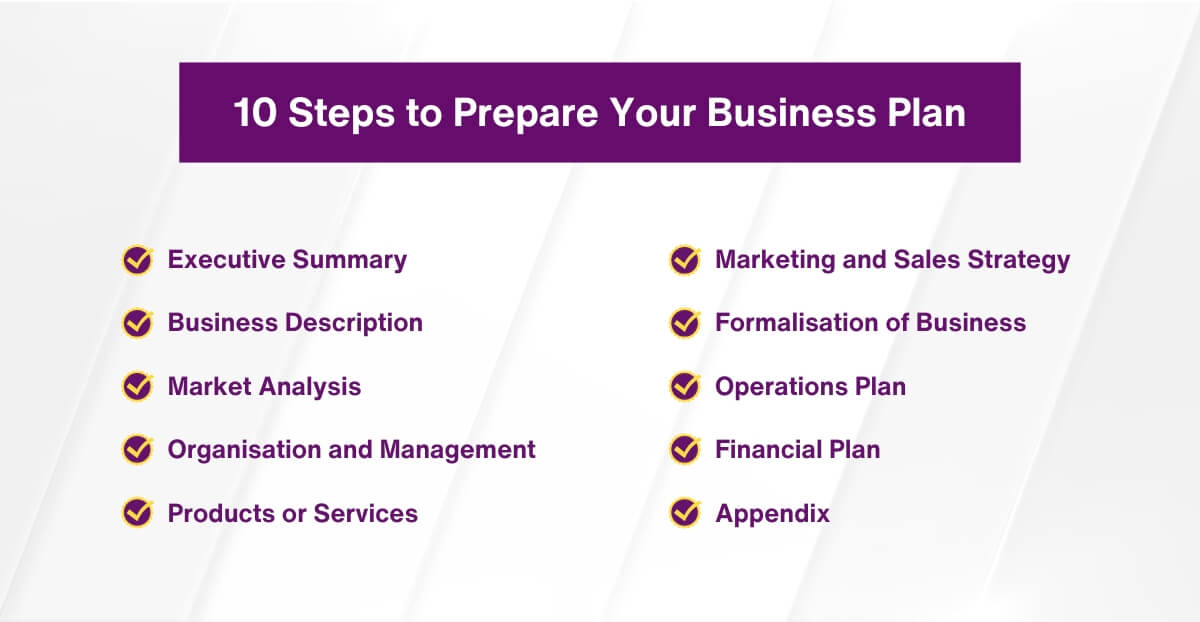
Steps to Prepare Your Business Plan
Let’s break down the essential sections that make up a comprehensive business plan. Follow these steps to ensure your plan is thorough and appealing to potential investors, partners, or lenders.
1. Executive Summary
The Executive Summary is the first section of your business plan, but it should ideally be written last. This summary provides an overview of your entire business plan and should grab the reader’s attention.
- Overview: Start by briefly describing your business. Explain what your business does and the products or services it will offer.
- Mission Statement: Write a clear and concise mission statement that communicates the purpose and goals of your business.
- Business Goals: Outline both short-term and long-term goals, emphasising what you aim to achieve in the next 1–5 years.
- Ownership Structure: Indicate whether your business is a sole proprietorship, partnership, limited liability company (LLC), or corporation.
- Financial Needs: If you’re seeking funding, state how much you need and how it will be used to support business growth.
2. Business Description
Your business plan should include a detailed description of your business. This section helps others understand your objectives and the core aspects of your business.
- Business Name and Location: Include your business’s legal name and physical location.
- Industry and Market: Describe your business industry and the products or services you plan to trade or manufacture. Highlight why it’s the right time to enter this market.
- Legal Structure: Specify your business’s legal form.
- Promoter Background: Provide some information about the business’s founder(s), including their education and experience etc.
- Mentors and Advisors: Mention any mentors, advisors, or external experts assisting in your business development.
3. Market Analysis
A thorough Market Analysis is key to any successful business plan. It clarifies your growth potential and shows a deep understanding of your industry and target audience.
- Competitor Analysis: Evaluate your competitors, examining their strengths and weaknesses.
- Target Market: Identify your ideal customers, providing demographic details like age, income, gender, preferences etc.
- Market Size and Growth: Estimate the market size and potential for growth, focusing on your target audience.
- Market Trends: Include relevant trends that may impact your business, such as technological advancements or changing customer preferences.
4. Organisation and Management
For a small business plan, it’s essential to outline your business structure, management team, and employee needs.
- Ownership: Detail the owners of the business and their roles.
- Management Team: Provide information about key managers and their experience.
- Team Members: Identify any staff you plan to hire and outline their roles.
5. Products or Services
In this section, highlight the unique qualities of your products or services to make them appealing to potential investors.
- Product Description: Provide a detailed description of your products or services.
- Unique Selling Proposition (USP): Explain what sets your offerings apart from those of competitors.
- Lifecycle: Mention whether your offerings are one-time, seasonal, or recurring.
- Research and Development: If applicable, describe plans for future improvements or new products.
6. Marketing and Sales Strategy
To make your small business plan stand out, you’ll need a clear and compelling Marketing and Sales Strategy.
- Pricing Strategy: Describe how you’ll price your products or services competitively.
- Promotion and Advertising: Outline how you plan to attract customers, whether through social media, traditional advertising, or local events.
- Sales Strategy: Define your approach to closing sales, building customer relationships, and fostering loyalty.
- Distribution Channels: Specify how you’ll deliver your products or services to customers.
7. Formalisation of Business
Ensuring the proper setup and compliance of your business is essential. In this section of your business plan, detail any licenses and premises arrangements.
- Premises: Choose an appropriate location for your business and finalise a lease agreement of adequate tenure if renting.
- Licensing: Obtain the necessary permits, such as Shop Act registration, Udyam registration, or FSSAI license for food-related businesses.
- Document Compilation: Ensure all required documents are ready when seeking financial assistance or loans.
8. Operations Plan
An effective small business plan must also address the operational requirements for smooth day-to-day activities.
- Location and Facilities: Describe the physical requirements for your business, such as machinery, layout, and equipment.
- Suppliers: List key suppliers or vendors for materials and resources.
- Production Process: Explain the production process and any logistical aspects.
- Inventory Management: Outline how you’ll manage stock levels to avoid shortages or excess inventory.
9. Financial Plan
The Financial Plan is one of the most important sections, especially for investors and banks. It demonstrates your financial knowledge and ensures the business plan is viable.
- Startup Costs: Estimate costs for licenses, premises, marketing, etc.
- Funding Requirements: Specify the amount needed, what it’s for, and potential funding sources.
- Profit and Loss Forecast: Offer sales, expense, and profit projections for the next 1–3 years.
- Cash Flow Forecast: Show expected cash inflows and outflows, displaying your ability to manage finances effectively.
- Break-even Analysis: Indicate the point at which your revenues cover costs.
- Balance Sheet: Provide a projected balance sheet for 3–5 years if applicable.
10. Appendix
Your business plan should end with an Appendix that includes all additional documents that provide further details.
- Documentation: Include any supporting documents like product photos, legal permits, resumes, or quotations.
- Timeline: Set clear timelines to ensure a smooth business launch.
- Regular Updates: Treat your business plan as a dynamic document, adjusting it as your business evolves.
Conclusion
Developing a business plan for your business can feel overwhelming, but following these steps can help simplify the process and create a clear path to success. Whether you’re crafting a small business plan to attract funding or simply to clarify your vision, each section contributes to a well-rounded strategy that will drive growth. A detailed and actionable business plan sets the foundation for stability and guides you toward achieving your entrepreneurial goals.
For further guidance, visit the deAsra Foundation’s business planning and idea validation service page, which offers expert support tailored for small business owners.
FAQs
1. Why do I need a business plan?
A business plan is essential because it outlines your goals and strategies, helping you stay organised and focused. It also shows potential investors or banks that you have a solid growth plan, which can make it easier to secure funding.
2. What should a small business plan include?
A small business plan should cover key sections like an executive summary, market analysis, product or service details, financial projections, and an operations plan. These sections give a complete picture of your business and its potential.
3. How often should I update my business plan?
Updating your business plan at least once a year is recommended. This allows you to review your progress, make adjustments based on market trends, and keep your goals and finances aligned with current conditions.
4. How long does it take to prepare a business plan?
Preparing a business plan can take anywhere from a few days to several weeks, depending on the detail needed and the complexity of your business. The goal is to ensure it’s thorough but also realistic to implement.
5. Can I prepare a business plan on my own?
Yes, many small business owners prepare their own business plans. However, seeking guidance from business advisors or platforms like deAsra can be helpful for refining your plan and ensuring it covers all necessary aspects.
Author: Sudhir Gijare & Prakash Aagashe