7 Essential Social Media Branding Strategies to Elevate Your Brand
In today’s digital world, social media branding strategies are essential for establishing and growing your brand presence. With billions of users engaging on platforms like Facebook, Instagram, and LinkedIn, leveraging these channels effectively can dramatically enhance your visibility, engage your target audience, and elevate your business. This comprehensive guide will explore proven strategies to help you master social media branding and craft a compelling social media strategy for small businesses.
Understanding Social Media Branding
Social media branding strategies are designed to build and reinforce your brand identity through various social media platforms. Unlike traditional advertising, social media offers a two-way communication channel, allowing you to engage directly with your audience. To harness this power, it’s crucial to develop a clear brand voice and message that resonates across all your social media profiles.
Crafting Your Social Media Strategy
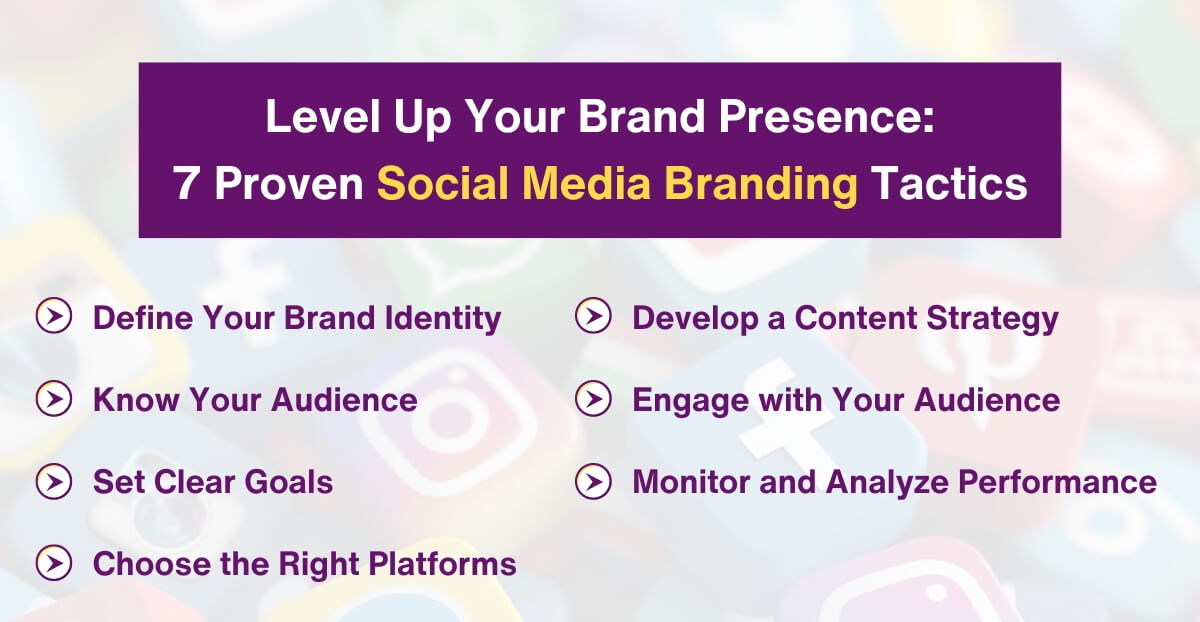
The first step in any effective social media branding strategy is creating a robust social media strategy for small businesses. Here’s how you can do it:
- Define Your Brand Identity
Your brand identity is the core of your social media branding strategies. This includes your brand’s mission, values, and personality. Consistency is key—your tone, style, and messaging should be uniform across all platforms. This helps in building a recognisable and trustworthy brand. - Know Your Audience
Understanding your audience is crucial in tailoring your social media branding strategies. Research to determine who your target customers are, what platforms they use, and what content they engage with. Tools like Facebook Insights and Twitter Analytics can provide valuable data on your audience’s preferences and behaviours. - Set Clear Goals
Establish what you want to achieve with your social media branding strategies. Whether it’s increasing brand awareness, driving traffic to your website, or generating leads, having clear objectives will guide your content creation and help measure success. - Choose the Right Platforms
Not all social media platforms are created equal. Depending on your business and target audience, some platforms may be more effective than others. For instance, Instagram and Pinterest are ideal for visual products, while LinkedIn is better for B2B connections. Select platforms that align with your brand’s goals and audience. - Develop a Content Strategy
Your content is at the heart of your social media branding strategies. Develop a content calendar that outlines what you’ll post, when, and where. Include a mix of content types—images, videos, articles, and infographics—to keep your audience engaged. For tips on creating an effective social media calendar, check out this guide from deAsra Foundation: How to Create an Effective Social Media Calendar for Your Business. - Engage with Your Audience
Social media is not a one-way street. Engage with your audience by responding to comments, messages, and reviews. Encourage user-generated content and participate in conversations relevant to your industry. This interaction not only builds trust but also strengthens your brand’s presence. - Monitor and Analyze Performance
Regularly track the performance of your social media branding strategies using analytics tools. Assess metrics like engagement rates, reach, and conversions to understand what’s working and what needs adjustment. This data-driven approach will help refine your social media strategy for small businesses and improve results over time.
Leveraging Content for Effective Branding
Content is a powerful tool in your social media branding strategies. Here’s how to leverage it effectively:
- Create Valuable Content
Provide your audience with content that addresses their needs and interests. This could include how-to guides, industry insights, or entertaining posts. Valuable content not only keeps your audience engaged but also positions your brand as an authority in your field. - Utilise Visuals
Visual content is more likely to be shared and remembered. Incorporate high-quality images, videos, and graphics into your social media branding strategies. Tools like Canva can help you create visually appealing content even if you don’t have a graphic design background. - Incorporate User-Generated Content
Encourage your followers to create and share content related to your brand. This not only boosts engagement but also provides authentic social proof. Share user-generated content on your profiles to build a sense of community and trust. - Run Contests and Giveaways
Contests and giveaways are effective ways to increase engagement and attract new followers. Ensure that the rules are simple and that the prizes are relevant to your audience. Promote these events across all your social media platforms to maximize participation. - Stay Updated with Trends
Social media trends evolve rapidly. Stay updated with the latest trends and incorporate them into your social media branding strategies. This could include popular hashtags, emerging content formats, or new platform features.
Implementing a Successful Social Media Strategy for Small Business
Small businesses often have limited resources, so it’s essential to maximize the impact of your social media strategy for small businesses. Here are some additional tips:
- Focus on Niche Platforms
While major platforms like Facebook and Instagram are important, don’t overlook niche platforms that cater to your industry. For example, if you’re in the food industry, consider using platforms like Foodie or Yelp to reach a targeted audience. - Leverage Local SEO
Incorporate local SEO into your social media branding strategies to attract customers in your area. Use location tags and local hashtags to increase visibility among potential customers nearby. - Collaborate with Influencers
Partnering with influencers can expand your reach and credibility. Choose influencers who align with your brand values and have a genuine connection with their followers. Collaborations can include sponsored posts, product reviews, or joint campaigns. - Invest in Paid Advertising
Paid social media ads can amplify your efforts and reach a broader audience. Platforms like Facebook and Instagram offer targeted advertising options that allow you to reach users based on demographics, interests, and behaviours. - Evaluate and Adjust
Regularly review your social media metrics and adjust your strategy based on performance. This continuous improvement approach will help you stay relevant and effective in your social media branding strategies.
Conclusion
Building a strong brand presence through social media branding strategies requires a well-planned and executed approach. By understanding your audience, crafting a clear brand identity, and leveraging effective content strategies, you can enhance your brand’s visibility and engagement. For more insights and practical tips, explore resources like the Social Media Marketing Checklist from deAsra Foundation.
Remember, a successful social media strategy for small businesses is not just about posting content—it’s about creating a meaningful connection with your audience and continually adapting to meet their needs. Embrace these strategies, stay patient, and watch your brand grow in the dynamic world of social media.
FAQs
1. What are social media branding strategies?
Social media branding strategies are approaches designed to build and reinforce your brand identity across social media platforms. They focus on creating a consistent brand voice and engaging directly with your audience to enhance visibility and trust.
2. How can I identify my target audience for social media branding?
To identify your target audience, conduct research using tools like Facebook Insights and Twitter Analytics. Analyse demographics, interests, and behaviors to understand who your ideal customers are and which platforms they use most frequently.
3. What types of content should I include in my social media strategy?
Your social media strategy should include a mix of content types such as images, videos, articles, and infographics. Valuable content that addresses your audience’s needs, along with user-generated content and engaging visuals, can enhance audience interaction and brand authority.
4. How do I measure the success of my social media branding efforts?
Monitor key performance metrics such as engagement rates, reach, and conversions using analytics tools. Regularly review this data to assess what strategies are working and make adjustments as needed to improve your overall social media performance.