
What is a Sales Strategy? The Blueprint for Hitting Your Revenue Goals
“Sales strategy is required because it allows you to clarify your market positioning and most importantly, your product and service, what you are going to offer to your target audience, which we call customers.” – Mr Rahul Limaye
In today’s fast-paced business world, where competitors lurk around every corner, a solid sales strategy can make all the difference. As Mr Rahul Limaye, a sales expert with over 30 years of experience, points out in a recent Dream Big podcast episode, ignoring customer care hands them over to rivals. This insight underscores why every business needs a clear sales strategy to thrive. For deeper dives into sales growth tactics, check out deAsra’s sales growth resources. Whether you run a small startup or lead a growing firm, understanding sales strategy and planning equips you to turn prospects into loyal buyers and hit revenue targets consistently.
Defining Sales Strategy: Your Business Roadmap
A sales strategy is more than a vague plan—it’s a detailed blueprint that outlines how your business will generate revenue. At its core, it guides you in spotting potential customers, reaching out effectively, and turning them into repeat buyers. Think of it as a GPS for your sales team: without it, you drive blindly; with it, you navigate straight to success.
Mr. Rahul Limaye explains, “Sales strategy is not a copy-paste kind of function. It has to be tailored for every business.” This means no two companies can use the same approach, even in similar industries. A sales strategy clarifies your unique market position, defines your offerings, and shapes how you communicate value to customers. It ensures your message resonates, helping customers see why they need your product or service.
In essence, a sales strategy acts as a roadmap for consistent growth. It helps identify who your ideal buyers are, how to approach them, and what steps convert interest into sales. For small businesses, this sales strategy and planning prevent wasted efforts and focus resources where they matter most.
Why Sales Strategy is Essential for Business Growth
Every business faces the risk of stagnant revenue or lost market share. A strong sales strategy counters this by providing direction and focus. It ensures your team works towards shared goals, reducing chaos and boosting efficiency. Without one, sales efforts scatter, leading to missed opportunities.
Sales strategy and planning drive growth by aligning daily actions with long-term visions. It helps businesses adapt to changes, like economic shifts or tech disruptions. Mr Limaye stresses that a sales strategy differentiates you from competitors by highlighting perceived value— that emotional or practical appeal that makes customers choose you.
For industry leaders, this means measurable results: higher conversion rates, better customer retention, and scalable revenue. In competitive sectors, a well-crafted sales strategy turns challenges into advantages, fostering steady expansion.
Key Components of an Effective Sales Strategy
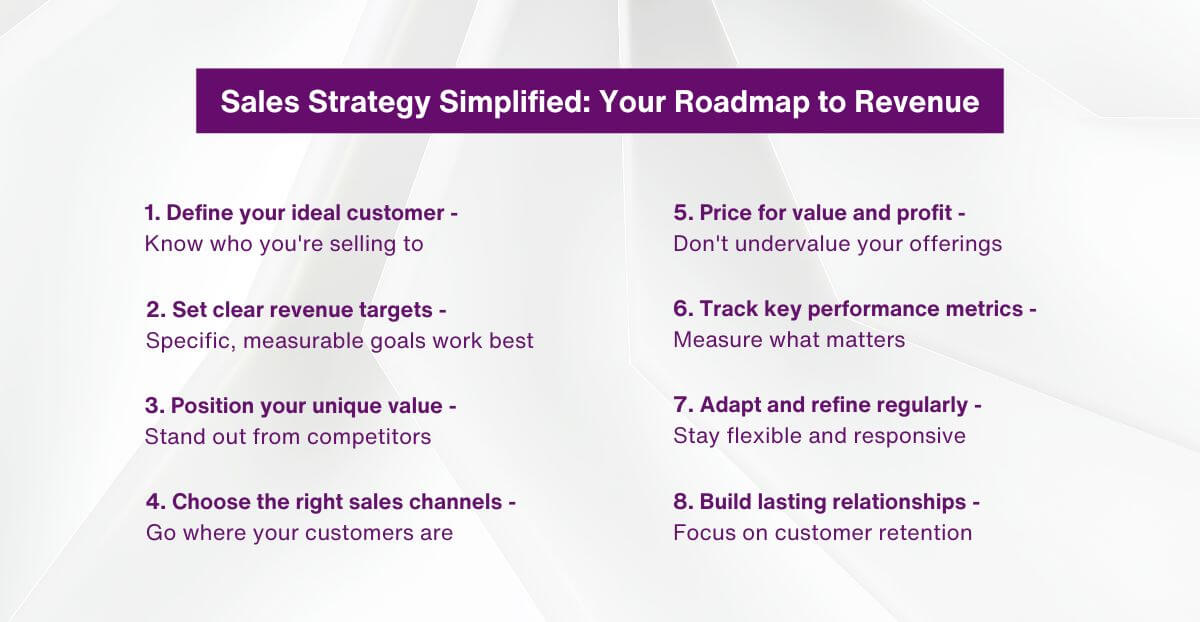
Building a sales strategy involves several core elements. Start with your target audience: Who are they? Define demographics, needs, and pain points. For instance, a tech firm might target mid-sized enterprises struggling with data management.
Next, set clear sales goals. Use SMART criteria—specific, measurable, achievable, relevant, time-bound. Aim for targets like “increase quarterly revenue by 20% through new client acquisitions.”
Pricing plays a pivotal role. It must reflect value while staying competitive. Test models like tiered pricing to appeal to different segments.
Choose communication channels wisely. Digital tools, emails, or in-person meetings? Tailor to your audience—B2B might favour LinkedIn, while B2C thrives on social media ads.
Finally, performance tracking is crucial. Monitor metrics like conversion rates and customer acquisition costs using tools such as CRM software. Regular reviews refine your sales strategy and planning, ensuring it evolves.
Sales strategy and planning integrate these components seamlessly. As per insights from deAsra’s guide on sales strategy for small businesses, small firms benefit from simple frameworks that prioritise customer insights and agile adjustments.
Tailoring Your Sales Strategy: No One-Size-Fits-All
Industry leaders know markets vary wildly. A sales strategy must adapt to your sector. Mr Limaye notes, “Even though two or three businesses are in the same line, your sales strategy has to be different because your sales strategy is a differentiator.”
In B2B, focus on consultative selling with longer cycles and multiple decision-makers. Highlight utility and build trust through content. B2C demands emotional appeals and quick conversions via promotions.
Sales strategy and planning requires ongoing tweaks. Use market research to stay ahead—track competitors’ profitability, not just turnover. Tools like AI can analyse data for high-quality leads, but as Mr. Limaye warns, tech alone won’t deliver customers; it informs actions.
For resilience, diversify streams and collaborate. During uncertainties, vigilant sales strategy and planning uncovers opportunities, like pivoting products in crises.
Actionable Tips for Small Business Owners
Small business owners can implement a sales strategy with practical steps. First, build a customer relationship plan. Map interactions from lead to loyalty—personalise communications and offer value upfront. Use loyalty programmes to retain buyers.
Leverage digital tools for efficiency. CRM platforms track leads; AI analyses preferences via polls on social media. Mr. Limaye advocates cognitive presence: share tips on LinkedIn to showcase expertise without hard sells.
In sales strategy and planning, networking matters. Seek referrals and collaborations, not just card swaps. Respond to feedback assertively to refine offerings and boost perceived value.
Start small: conduct weekly reviews of sales data. Set up multiple channels for accessibility, like partnering with delivery apps. These tips make sales strategy and planning approachable, leading to real revenue lifts.
Leveraging Technology in Sales Strategy
AI transforms sales strategy and planning, but use it wisely. It identifies leads and enhances experiences, yet human touch converts. Analyse data for insights, then act—create ads that convey emotional relief, like payment solutions easing worries.
For small businesses, free tools poll audiences on preferences, validating ideas before launch. Integrate tech into sales strategy for targeted nurturing, ensuring teams focus on high-potential prospects.
Measuring Success and Iterating Your Sales Strategy
Track progress with KPIs: revenue growth, retention rates, and ROI on channels. Adjust sales strategy and planning based on data—pivot if a tactic underperforms.
Adaptability is key. Continuous research keeps your sales strategy fresh, helping create markets where none exist.
Conclusion
A sales strategy is your blueprint to revenue success, guiding customer journeys from awareness to loyalty. By tailoring it, tracking performance, and staying adaptable, businesses achieve sustainable growth. As Mr. Limaye inspires, embrace sales strategy and planning with a smile—it’s the catalyst for smiling faces and thriving enterprises. Start crafting yours today for measurable wins.
FAQs
1. What makes a sales strategy unique to my business?
A sales strategy must be customised to reflect your market position and offerings. Focus on what differentiates you, like unique value propositions. Conduct audience research and test approaches to ensure it conveys perceived value effectively, avoiding generic templates that fail to stand out.
2. How does AI fit into sales strategy and planning?
AI aids sales strategy and planning by analysing data for lead quality and customer insights. It supports nurturing high-potential prospects and personalising experiences, but success relies on translating these into human-led actions, not relying on tech alone for acquisitions.
3. What are practical steps for customer retention in a sales strategy?
In your sales strategy, prioritise honesty, personalised service, and multi-channel access. Build communities and respond to feedback swiftly to enhance loyalty. Programmes like referrals and collaborations strengthen bonds, turning one-time buyers into advocates.
4. How often should I update my sales strategy?
Sales strategy and planning demands ongoing vigilance. Review quarterly with market data and feedback. Adapt to changes like economic shifts through continuous research, ensuring your approach remains relevant and opportunistic.
5. Can small businesses afford advanced sales strategy tools?
Yes, start with free or low-cost digital tools in sales strategy and planning, like social polls and basic CRMs. Focus on consultative networking and cognitive content to build traction without big budgets, scaling as revenue grows.