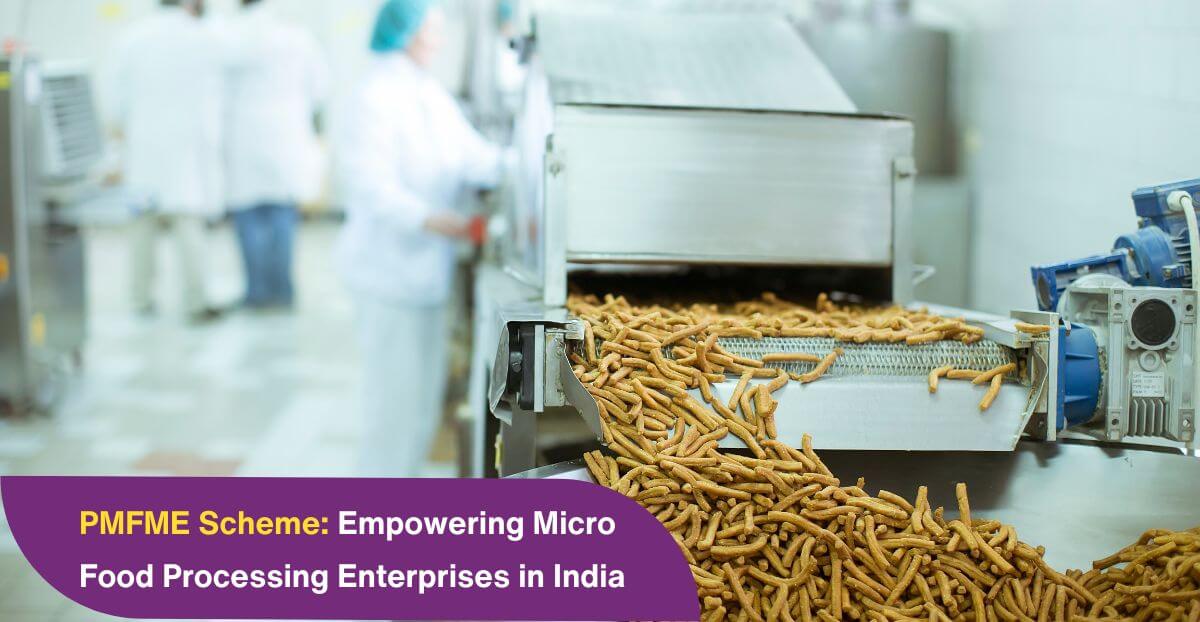
PMFME Scheme: Empowering Micro Food Processing Enterprises in India
PMFME Scheme: Empowering Micro Food Processing Enterprises in India
Imagine a small village in India where women transform seasonal fruits into jars of tangy pickles, their efforts sparking dreams of financial freedom. This is the essence of the Pradhan Mantri Formalisation of Micro Food Processing Enterprises (PMFME scheme), a transformative initiative under the Atmanirbhar Bharat vision. Launched in 2020, it empowers micro food businesses to scale, formalise, and thrive.
For industry leaders across sectors, the PMFME scheme offers insights into sustainable innovation and rural empowerment. Curious about MSME success stories? Explore more at deAsra’s MSME schemes blog. With micro enterprises driving 30% of India’s GDP, this scheme is a game-changer for economic growth.
What is the PMFME Scheme?
A Vision for Formalisation
The PMFME scheme, launched by the Ministry of Food Processing Industries (MoFPI), targets the unorganised food processing sector. From pickles to millet snacks, these micro units – often run from homes or small setups – face challenges like limited funds and market access. With a Rs 10,000 crore budget over five years, the PMFME scheme aims to support 2 lakh enterprises by 2026.
As of September 2025, its impact is clear: Bihar leads with over 420 approved units, while Madhya Pradesh extended the scheme to March 2026, creating jobs and reducing wastage.
Why It Matters
India’s food processing sector battles 40% wastage due to outdated methods. The PMFME scheme tackles this by offering subsidies, training, and market linkages. It aligns with the One District One Product (ODOP) initiative, promoting regional specialities like Bihar’s makhana or Himachal’s jams. For industry leaders, this mirrors scalable models in tech or retail – turning local strengths into global opportunities.
Financial Support: The Role of PMFME Loans
Credit-Linked Subsidies
The PMFME loan is a cornerstone of the scheme, providing up to Rs 10 lakh at low interest rates, often collateral-free through bank partnerships like SBI. By mid-2025, over 1.5 lakh PMFME loans have been disbursed, enabling expansions from spice units in Uttar Pradesh to dairy processors in Gujarat. Subsidies cover 35% of costs for individuals (up to Rs 10 lakh) and 70% for FPOs, easing investments in machinery and packaging.
Empowering Women and Groups
Women entrepreneurs, a priority under the PMFME scheme, access tailored PMFME loans. Self-help groups (SHGs) and farmer producer organisations (FPOs) benefit from higher grants, fostering collective growth. For example, a Kerala fish-drying unit used a PMFME loan to adopt solar dryers, boosting efficiency. This financial model, backed by the Credit Guarantee Fund Trust, mirrors venture capital’s risk-sharing approach, appealing to finance leaders.
Building Skills and Infrastructure
Training for Success
The Pradhan Mantri Formalisation of Micro Food Processing Enterprises doesn’t stop at funding. Over 50,000 entrepreneurs have completed training from institutes like NIFTEM, covering hygiene, quality control, and digital marketing. Virtual sessions, a post-pandemic innovation, ensure wider reach. For tech leaders, this is akin to upskilling workforces for digital transformation.
Shared Infrastructure
The PMFME scheme funds common facilities like cold storages, slashing costs by 30% for SHGs. Technical support includes feasibility studies and plant layouts, ensuring compliance with FSSAI standards. In the Northeast, 90% central funding supports units processing bamboo shoots, preserving biodiversity while creating jobs.
Branding and Market Access
From Local to Global
Marketing is a game-changer under the PMFME scheme. NAFED and TRIFED provide 50% grants for branding, helping products like Nagaland’s kiwis or Uttarakhand’s buransh juice shine. Tie-ups with Amazon and Flipkart list these goods, reaching urban buyers. In 2025, three ODOP brands garnered Rs 50 crore in orders, showcasing market potential. For retail leaders, this is a lesson in leveraging e-commerce for niche products.
Storytelling Through Branding
Workshops teach entrepreneurs to craft compelling narratives – turning ‘village pickle’ into ‘heritage preserve’. The Pradhan Mantri Formalisation of Micro Food Processing Enterprises also pilots blockchain for supply chain transparency, appealing to ethical consumers. Women-led units, making up 60% of applicants, excel here, marketing millet bars to health-conscious cities.
Economic and Social Impact
Job Creation and Rural Growth
Each PMFME scheme unit creates 2-3 jobs, totalling over 5 lakh employments by 2025. Rural economies benefit as farmers process crops locally, reducing migration. In Madhya Pradesh, 420 new units have cut horticultural wastage, boosting incomes. For CSR heads, this aligns with sustainable development goals, offering partnership opportunities.
Success Stories
Consider Sunita Devi from Bihar, who scaled her papad unit with an Rs 8 lakh PMFME loan. Today, she employs 15 women and exports to Delhi under an ODOP label. In Maharashtra, a Gondia honey collective used Pradhan Mantri Formalisation of Micro Food Processing Enterprises grants to upgrade extractors, lifting incomes for 50 tribal families. These stories, drawn from MoFPI data, highlight scalable impact.
Overcoming Challenges
Bridging Gaps
Despite its success, the PMFME scheme faces hurdles. Remote areas lack digital literacy, slowing applications. Offline forms and nodal officers help, but awareness campaigns are vital. Funding delays have eased with the pmfme.mofpi.gov.in portal, and PMFME loans now use AI-driven approvals, cutting wait times. For operational leaders, this reflects the power of process optimisation.
Supporting Women Entrepreneurs
Women, though prioritised, remain underrepresented. The Pradhan Mantri Formalisation of Micro Food Processing Enterprises offers quotas and integrates with schemes like Annapurna for collateral-free PMFME loans. Platforms like deAsra Foundation provide loan proposal templates, boosting confidence.
Future Outlook and Opportunities
Scaling Up
By 2026, the PMFME scheme aims to double the number of beneficiaries, with a focus on climate-resilient crops. Innovations like AI yield predictors and digital twins for units are on the horizon. Exports from supported units have risen 25% by 2025, tapping global demand for organic foods. For export leaders, this opens doors to new markets.
Private Sector Synergies
The Pradhan Mantri Formalisation of Micro Food Processing Enterprises thrives on partnerships. CSR mentorships from firms like Tata enhance packaging tech, while IIT pilots introduce IoT for inventory. Banks innovate PMFME loans with angel network tie-ups, building credit histories. Industry leaders can amplify this by sourcing from scheme units, ticking ESG boxes.
Conclusion
The PMFME scheme is a quiet force, transforming India’s food sector one micro enterprise at a time. With 10 mentions of the PMFME scheme and eight each of PMFME loan and Pradhan Mantri Formalisation of Micro Food Processing Enterprises, its impact resonates. For industry leaders, this is an invitation to collaborate – leveraging your expertise to amplify a movement that empowers communities and builds a self-reliant India. Explore deAsra’s resources for navigating msme loans and join this journey of growth
FAQs
1. What is the PMFME scheme?
The Pradhan Mantri Formalisation of Micro Food Processing Enterprises (PMFME scheme) is a centrally sponsored initiative launched in 2020 by the Ministry of Food Processing Industries (MoFPI). It aims to formalise and support 2 lakh micro food processing units in India with a Rs 10,000 crore budget, offering subsidies, PMFME loans, training, and market access to boost rural economies and reduce wastage.
2. Who can apply for a PMFME loan?
Individuals, self-help groups (SHGs), farmer producer organisations (FPOs), and cooperatives involved in food processing, such as making pickles, spices, or dairy products, can apply for a PMFME loan. Women entrepreneurs are prioritised, with loans up to Rs 10 lakh at low interest rates, often collateral-free, supported by bank partnerships.
3. How does the PMFME scheme support branding and marketing?
The Pradhan Mantri Formalisation of Micro Food Processing Enterprises provides 50% grants for branding and marketing, managed by NAFED and TRIFED. It supports packaging, unified ODOP branding, and e-commerce listings on platforms like Amazon. Workshops teach storytelling, helping products like millet bars or regional jams reach national and global markets.
4. What kind of training is offered under the PMFME scheme?
The PMFME scheme offers training through institutes like NIFTEM and IIFPT, covering hygiene, quality control, and digital marketing. Over 50,000 entrepreneurs have been trained by 2025, with virtual sessions ensuring access in remote areas, empowering micro units to meet FSSAI standards and compete effectively.
5. How does the PMFME loan benefit rural communities?
The PMFME loan, backed by the Credit Guarantee Fund Trust, enables micro units to invest in machinery and infrastructure, creating 2-3 jobs per unit. By 2025, over 5 lakh jobs will have been generated, reducing migration and wastage while boosting incomes, as seen in success stories like Bihar’s papad units or Maharashtra’s honey collectives.
Reference: https://pmfme.mofpi.gov.in/
Disclaimer:
The information provided in this document regarding government schemes such as CGTMSE, PMFME, and PMEGP has been compiled from publicly available sources and is intended solely for general awareness, academic, and study purposes. While due care has been taken to ensure accuracy, the details of benefits, eligibility criteria, scheme duration, and related provisions are subject to change as per updates issued by the concerned ministries, nodal agencies, or implementing authorities.
Readers are strongly advised to verify the latest and official information directly from the respective scheme portals, official notifications, or authorized government sources before making any decisions, applications, or commitments. Neither the author nor the publisher of this document shall be liable or responsible for any discrepancies, outdated information, or subsequent changes, including modifications, extensions, or withdrawal of the schemes