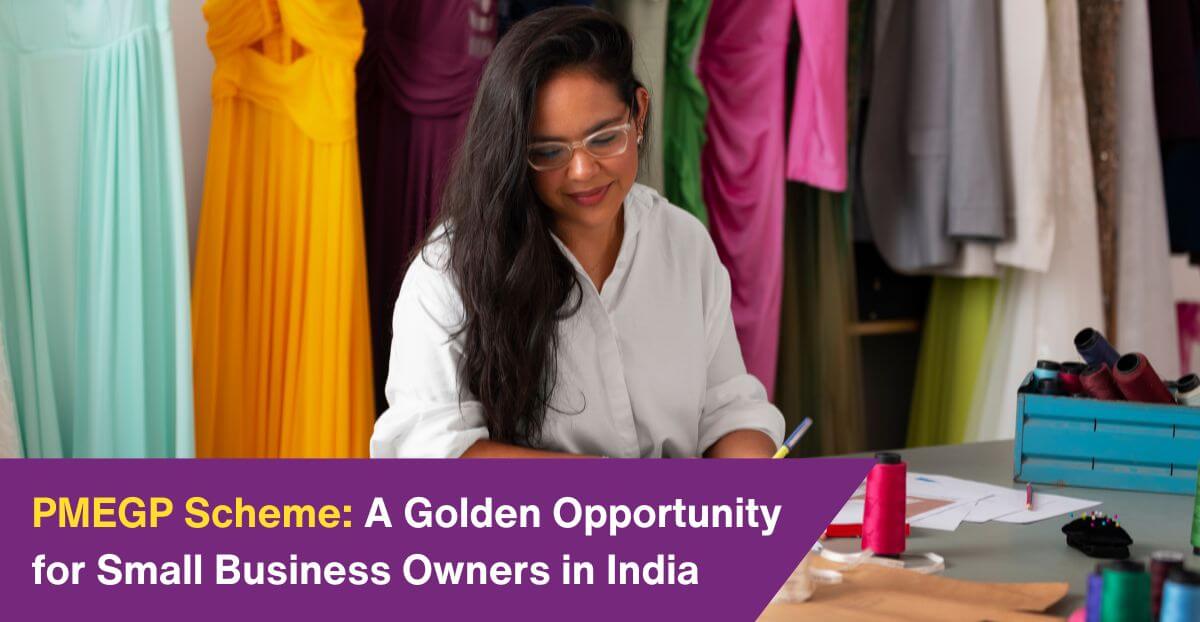
PMEGP Scheme: A Golden Opportunity for Small Business Owners in India
Imagine a bustling marketplace in Mumbai, where a young artisan, once held back by limited funds, now runs a thriving handicraft stall employing a dozen locals. This vibrant scene captures the heart of India’s entrepreneurial spirit, where dreams often need just a spark to ignite. As industry leaders in manufacturing, tech, retail, or beyond, you understand the hurdles small businesses face – lack of capital, market access, or scaling know-how.
Enter the PMEGP scheme, a transformative initiative designed to fuel self-employment and turn ideas into reality. For practical insights on such government aids, check out deAsra’s blog on MSME schemes, which offers actionable tips for budding entrepreneurs.
What is the PMEGP Scheme?
The Prime Minister Employment Generation Programme (PMEGP scheme) is a flagship initiative by the Ministry of Micro, Small and Medium Enterprises, merging earlier programmes like the Rural Employment Generation Programme and Prime Minister’s Rojgar Yojana. It’s a powerhouse for India’s economy, where MSMEs contribute 30% to GDP and employ over 110 million people. The PMEGP scheme empowers unemployed youth, artisans, and aspiring entrepreneurs to launch micro-enterprises, creating sustainable livelihoods. Whether it’s a food processing unit in rural Tamil Nadu or a tech service in Bengaluru, this programme offers a launchpad for growth, making it a must-know for leaders like you aiming to foster innovation or diversify portfolios.
Launched in 2008, the scheme is ongoing and is implemented through KVIC, District Industries Centres (DICs), and other designated nodal agencies.
Financial Backbone: How the PMEGP Loan Works
At its heart, the PMEGP scheme provides credit-linked subsidies to kickstart new ventures. Administered by the Khadi and Village Industries Commission (KVIC), it runs until 2025-26 with a budget exceeding ₹13,500 crore, targeting 40 lakh new jobs. Here’s the breakdown:
- Project Costs: Up to ₹50 lakh for manufacturing units and ₹20 lakh for service-based businesses.
- PMEGP Loan: Banks cover 90-95% of the project cost, with beneficiaries contributing 10% (general category) or 5% (SC/ST, women, or other special groups).
- Subsidies: Rural areas get 25-35% subsidies; urban areas receive 15-25%. These are credited post-project setup.
- Collateral-Free: Loans up to ₹10 lakh require no security, easing access for first-timers.
- Repayment: Flexible 3-7 year terms with a moratorium, at interest rates around 12% per annum.
This structure, especially the PMEGP loan, minimises financial risk, making it ideal for prototyping in competitive markets. For finance leaders, this blended model – subsidies plus loans – de-risks investments, attracting private capital to public-backed ventures.
Who Can Apply? Eligibility Made Simple
The PMEGP scheme keeps eligibility inclusive to spark widespread impact:
- Age and Education: Any Indian over 18 qualifies, with no income ceiling. For projects above ₹10 lakh (manufacturing) or ₹5 lakh (services), an eighth-standard pass is enough.
- Eligible Entities: Individuals, self-help groups, societies, and trusts can apply, but only for new ventures – existing units or prior subsidy recipients are excluded.
- Restricted Activities: Meat processing, liquor, or lottery businesses are off-limits, aligning with socio-economic goals.
A mandatory 6-10 day Entrepreneurship Development Programme (EDP) equips applicants with skills in business planning and marketing. Agencies like KVIC, State Khadi Boards (KVIB), and District Industries Centres (DICs) scout talent through camps and online portals, ensuring accessibility. This inclusivity appeals to leaders seeking to tap diverse talent pools or mentor grassroots innovators.
Applying for the PMEGP Scheme: A Step-by-Step Guide
Applying for the PMEGP scheme is streamlined, blending digital ease with physical options:
- Online Application: Visit kviconline.gov.in, choose your agency (KVIC, KVIB, or DIC), and authenticate using Aadhaar.
- Submit Details: Enter project details, upload ID, bank statements, and other proofs.
- Appraisal and Approval: Agencies evaluate via scorecards, forward to banks for PMEGP loan sanction, and release subsidies as margin money.
- Track Progress: Monitor status online; expect 2-3 months for processing.
In 2025, enhancements like faster digital approvals and credit guarantees up to ₹2 crore via CGTMSE make the process reliable. For example, Nagaland sanctioned over 2,800 PMEGP loans by March, showcasing real momentum. Physical submissions at local KVIC/DIC offices remain an option for less tech-savvy applicants.
Success Stories: Real Impact of the PMEGP Scheme
The PMEGP scheme transforms lives, and the stories speak volumes. Rajesh, from rural Uttar Pradesh, secured a ₹15 lakh PMEGP loan to start a leather goods unit. His 25% rural subsidy covered machinery, creating 15 jobs and enabling exports to Delhi within a year. In Kerala, Priya scaled her spice-blending service with an ₹8 lakh project, supplying hotels thanks to EDP training that sharpened her branding skills. Since its inception, the Prime Minister Employment Generation Programme has supported over 7 lakh enterprises, generating 70 lakh jobs. These stories inspire leaders like you to mentor networks, turning the PMEGP scheme into a talent pipeline for your sectors.
Synergies with PMFME: A Perfect Pair for Food Entrepreneurs
For food sector leaders, the PMEGP scheme pairs brilliantly with the Pradhan Mantri Formalisation of Micro Food Processing Enterprises (PMFME). Launched in 2020 with ₹10,000 crore, PMFME targets 2 lakh unorganised food units through the One District One Product approach. It offers:
- Grants: Up to 35% credit-linked subsidies for machinery.
- Support: Branding, skill training, FSSAI licensing, and common infrastructure.
- Loans: Collateral-free up to ₹1 crore; SHGs get ₹40,000 seed capital.
In Andhra Pradesh, Srinivasa Agency grew its “NATURAL” instant foods brand via PMFME support. Kerala’s online marketplace for micro-units shows state-level innovation. Pairing a PMEGP loan for setup with PMFME grants for branding or packaging creates a powerhouse for food ventures, amplifying your sector’s reach.
Strategic Edges of the PMEGP Loan
The PMEGP loan mechanics offer tactical advantages. Banks like SBI or HDFC provide composite loans covering 60-75% of project costs post-subsidy. Interest rates, tied to EBLR plus 3.25% (around 12.15% in 2025), stay competitive via KVIC subvention. No processing fees for women or SC/ST, plus priority sector lending tags, sweeten the deal. For a ₹25 lakh manufacturing unit, a ₹22.5 lakh PMEGP loan with a 25% rural subsidy minimises upfront costs. This setup suits leaders in finance or manufacturing, enabling low-risk investments in innovative MSMEs.
Building Ecosystems: Beyond Funding
The Prime Minister’s Employment Generation Programme goes beyond loans, fostering ecosystems. KVIC exhibitions showcase PMEGP products – khadi apparel, coir mats – connecting creators to buyers. State directorates ensure transparency via monthly reports. The 2025 budget bolsters guarantees and tax perks for MSMEs. Challenges like awareness gaps or delayed disbursals persist, but your advocacy through industry forums or KVIC partnerships can bridge them. The PMEGP scheme thrives on collaboration, transforming startups into sector contributors.
Sector-Specific Opportunities
The PMEGP scheme shines across industries. In manufacturing, PMEGP loans fund agro-machines or textiles, aligning with Make in India. Services cover repair shops or tourism guides, boosting gig economies. Food ventures pair with PMFME – a pickle unit could snag dual aids for equipment and packaging. Retail benefits from khadi outlets certified by KVIC. FMCG leaders can source ethical suppliers here, while data shows 60% rural uptake, narrowing urban-rural gaps – key for inclusive growth.
Challenges and Solutions
Over-reliance on subsidies risks complacency. Counter this with robust plans: market research, digital marketing. The PMEGP scheme’s EDP training builds resilience. Post-setup, NSIC or RUDSETI tie-ups aid scaling. For women, layering with Stree Shakti is key, as 39% of MSMEs are women-led yet funding-starved.
The Future: PMEGP in 2025 and Beyond
The Prime Minister Employment Generation Programme evolves with tech – GIS mapping for PMFME’s ODOP, AI-driven appraisals. Expect 50 lakh more jobs as Atmanirbhar Bharat advances. Leaders, integrate this: mentor applicants, co-invest, or adapt models for your firms.
Conclusion: A Catalyst for Dreams
The PMEGP scheme isn’t just policy – it’s a spark for dreams. From artisan workshops to food hubs, it weaves opportunity into India’s fabric. Pair it with PMFME for niche wins, leverage PMEGP loans for scale. As industry leaders, champion it. Your next big partnership could ignite here, fuelling a legacy of empowerment.
FAQs
1. What is the PMEGP scheme and who can apply for it?
The Prime Minister Employment Generation Programme (PMEGP scheme) is a government initiative offering credit-linked subsidies to start new micro-enterprises in India. Any Indian citizen above 18 years can apply, with no income ceiling. For projects above ₹10 lakh (manufacturing) or ₹5 lakh (services), an eighth-standard pass is required. Self-help groups, societies, and trusts are also eligible, but only for new ventures, not existing ones.
2. How does the PMEGP loan work, and what are the subsidy rates?
A PMEGP loan covers 90-95% of the project cost (up to ₹50 lakh for manufacturing, ₹20 lakh for services), with beneficiaries contributing 5-10%. Subsidies range from 25-35% in rural areas and 15-25% in urban areas, credited post-project setup. Loans up to ₹10 lakh are collateral-free, with repayment terms of 3-7 years at around 12% interest per annum.
3. How do I apply for the PMEGP scheme?
Apply online at kviconline.gov.in by selecting an agency (KVIC, KVIB, or DIC), authenticating with Aadhaar, and submitting project details with documents like ID and bank statements. Alternatively, submit physically at local KVIC/DIC offices. Applications are appraised, sent for PMEGP loan sanction, and subsidies are released within 2-3 months.
4. Can the PMEGP scheme be combined with other schemes like PMFME?
Yes, the PMEGP scheme pairs well with the Pradhan Mantri Formalisation of Micro Food Processing Enterprises (PMFME). For food businesses, a PMEGP loan can fund setup costs, while PMFME offers up to 35% grants for machinery, branding, and licensing, creating a powerful combo for scaling micro food units.
5. What kind of support does the Prime Minister’s Employment Generation Programme offer beyond funding?
Beyond PMEGP loans and subsidies, the Prime Minister Employment Generation Programme provides a 6-10 day Entrepreneurship Development Programme (EDP) for skills in business planning and marketing. KVIC exhibitions connect entrepreneurs to buyers, and platforms like deAsra offer resources for funding proposals and compliance.
Reference: https://www.kviconline.gov.in/pmegpeportal/
Disclaimer:
The information provided in this document regarding government schemes such as CGTMSE, PMFME, and PMEGP has been compiled from publicly available sources and is intended solely for general awareness, academic, and study purposes. While due care has been taken to ensure accuracy, the details of benefits, eligibility criteria, scheme duration, and related provisions are subject to change as per updates issued by the concerned ministries, nodal agencies, or implementing authorities.
Readers are strongly advised to verify the latest and official information directly from the respective scheme portals, official notifications, or authorized government sources before making any decisions, applications, or commitments. Neither the author nor the publisher of this document shall be liable or responsible for any discrepancies, outdated information, or subsequent changes, including modifications, extensions, or withdrawal of the schemes