How to Start a Cosmetic Business: A Step-by-Step Guide
The beauty industry is thriving, with global revenues expected to exceed $430 billion by 2027. This growth creates countless opportunities for entrepreneurs looking to enter the cosmetic business. If you’re passionate about beauty and dream of starting your own brand, now is the perfect time to leap.
From meeting legal requirements to creating a standout product line, this guide will help you understand how to start a cosmetic business and turn your vision into reality. For more inspiration, explore 10 Profitable Beauty Business Ideas for Women.
Step 1: Research the Market and Define Your Niche
Every successful cosmetic business starts with understanding the market. Research current beauty trends, identify gaps, and evaluate customer needs. Define your target audience and choose a niche that aligns with your passion and expertise. It could be skincare, makeup, hair care, or organic beauty products. A well-researched niche helps you stand out in a competitive market.
Step 2: Develop Your Product Line
Once you’ve chosen your niche, focus on creating high-quality products. Whether you’re making skincare creams, lipsticks, or hair serums, ensure your formulas are safe, effective, and compliant with regulations. Collaborate with cosmetic chemists or labs to develop unique products that cater to your target audience. Test your products thoroughly to ensure they meet safety standards and customer expectations.
Step 3: Comply with Legal Requirements
To establish a cosmetic business, you must adhere to local legal and regulatory requirements. In India, for instance, cosmetic products must comply with the Drugs and Cosmetics Act, of 1940, and related rules. Obtain necessary licences, such as manufacturing licences or import licences, if applicable. Proper legal compliance ensures smooth business operations and builds customer trust. For detailed guidance, visit Legal Compliances for Small Businesses.
Step 4: Source Quality Materials and Packaging
Sourcing high-quality raw materials is crucial for creating effective cosmetics. Partner with reliable suppliers who provide consistent quality and ethical sourcing practices. Packaging is equally important, as it reflects your brand identity. Invest in attractive, functional, and eco-friendly packaging to appeal to environmentally conscious consumers.
Step 5: Create a Strong Brand Identity
A strong brand identity sets your cosmetic business apart. Choose a memorable brand name, design an eye-catching logo, and create a consistent colour scheme. Develop a compelling brand story that resonates with your audience. Your branding should communicate your values, such as sustainability, innovation, or luxury, to attract loyal customers.
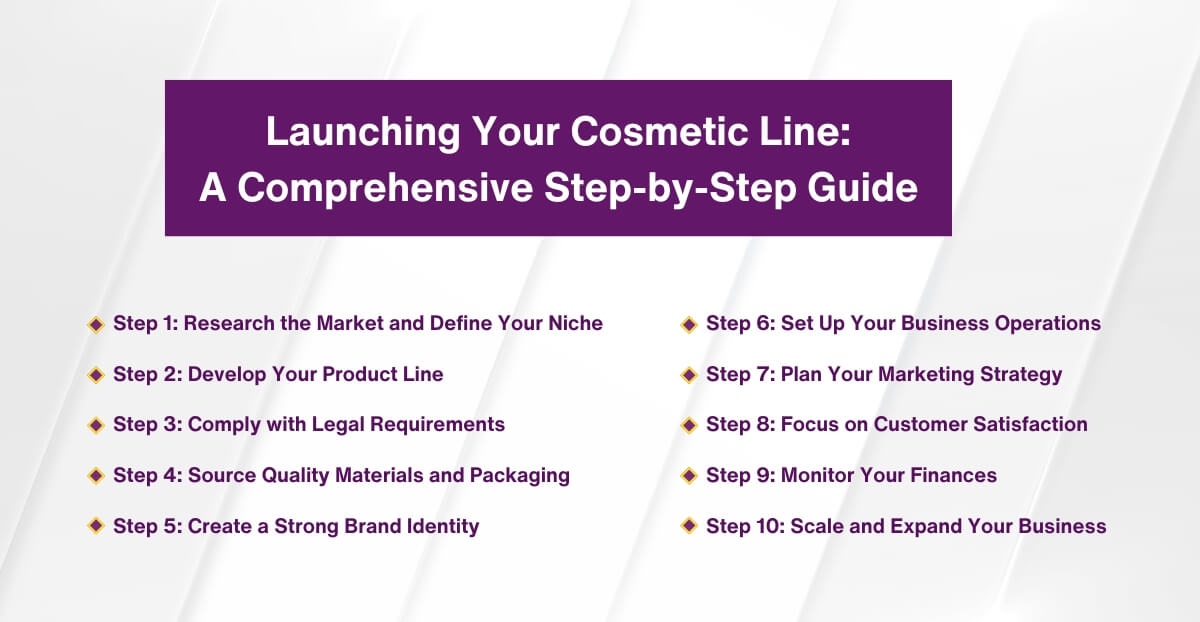
Step 6: Set Up Your Business Operations
Decide whether you’ll operate online, through physical stores, or both. Set up an e-commerce website to reach a wider audience and provide a seamless shopping experience. Partner with retailers or distributors if you plan to sell through offline channels. Ensure your business operations are efficient by organising inventory, managing logistics, and implementing a reliable customer support system.
Step 7: Plan Your Marketing Strategy
Marketing is key to the success of your cosmetic business. Leverage social media platforms like Instagram, Facebook, and Pinterest to showcase your products and connect with customers. Invest in influencer marketing to build credibility and reach a broader audience. Offer promotional discounts or free samples to encourage product trials. A combination of digital and offline marketing strategies ensures maximum visibility for your brand.
Step 8: Focus on Customer Satisfaction
Customer satisfaction is vital for retaining buyers and gaining positive reviews. Provide excellent customer service and address queries promptly. Encourage customers to share their feedback, which can help you improve your products and services. Loyal customers often become brand ambassadors, boosting your reputation and attracting new buyers.
Step 9: Monitor Your Finances
A successful cosmetic business requires careful financial management. Track your expenses, set realistic pricing, and maintain profit margins. Use accounting software to streamline bookkeeping and monitor cash flow. Regular financial audits help you identify areas for improvement and ensure long-term profitability.
Step 10: Scale and Expand Your Business
Once your cosmetic business is established, explore growth opportunities. Introduce new product lines, collaborate with retailers, or expand to international markets. Keep innovating and staying updated on industry trends to remain competitive. Scaling your business requires a balance of creativity, strategic planning, and customer focus.
Practical Tips for Beginners
- Start Small: Launch with a limited product range to test the market and gather feedback.
- Focus on Quality: Prioritise quality over quantity to build trust and loyalty.
- Stay Updated: Keep track of beauty trends and incorporate them into your offerings.
- Invest in Branding: Strong branding can make your business memorable and appealing.
Conclusions
Starting a cosmetic business can be a rewarding journey, but it requires dedication and meticulous planning. You can turn your passion for beauty into a thriving business with the steps outlined above. By following legal guidelines, creating innovative products, and building a strong brand presence, you’ll be well-equipped to succeed in the dynamic beauty industry.
FAQs
1. What licences are required to start a cosmetic business?
To start a cosmetic business, you may need licences such as a manufacturing licence or an import licence, depending on your operations. In India, your products must comply with the Drugs and Cosmetics Act, of 1940, to ensure safety and legality. Always check local regulations for specific requirements.
2. How much investment is needed to start a cosmetic business?
The investment depends on factors like product range, production scale, and branding. A small-scale cosmetic business may require a few lakhs, while larger ventures with extensive product lines and marketing campaigns may need a higher budget. Start small and expand as your business grows.
3. Can I manufacture cosmetics at home?
Yes, you can manufacture cosmetics at home, but you must ensure they meet safety standards and comply with legal requirements. It’s crucial to have proper labelling, quality control, and storage facilities. Consulting a cosmetic chemist can help you create safe, high-quality products.
4. What is the best way to market a cosmetic business?
Social media platforms like Instagram and Facebook are effective for promoting a cosmetic business. Use visually appealing content, collaborate with influencers, and run ad campaigns. Additionally, offering free samples and discounts can attract potential customers and encourage repeat purchases.
5. How do I choose a niche for my cosmetic business?
Choosing a niche depends on your interests and market demand. Research current trends, such as organic skincare, cruelty-free cosmetics, or vegan beauty products, to identify a gap you can fill. Focusing on a specific niche helps you stand out in a competitive industry.