How to Build a Strong Business Brand from Scratch: A 5-Step Guide
“What branding is now is… a feeling or emotion which is there in the customer’s mind,” said Mr. Dhruva Pakhnikar in deAsra’s dreamBIG podcast. This powerful insight captures the essence of modern branding. For entrepreneurs and industry leaders, crafting a memorable identity is key to standing out. A thoughtful brand strategy turns a business into a trusted name that customers choose repeatedly.
Whether launching a startup or scaling an established venture, a clear business branding strategy drives growth and loyalty. To explore how branding fuels expansion, read this resource on branding for business growth. deAsra supports and engages entrepreneurs through practical guidance, such as this 5-step approach, making small business branding strategy accessible to all.
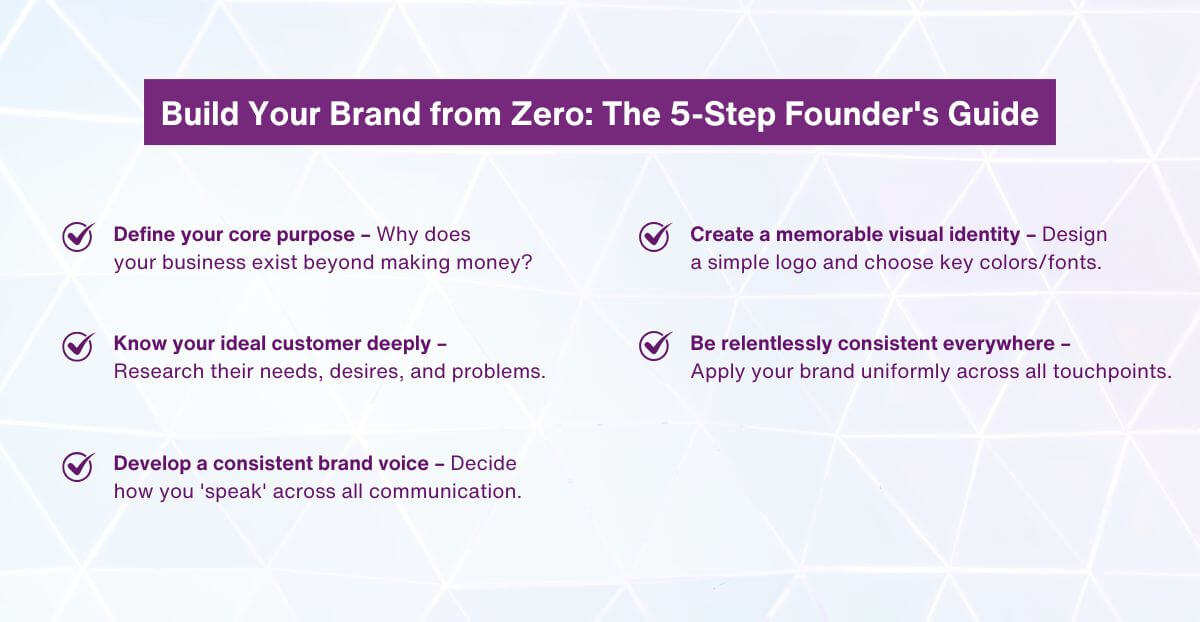
Step 1: Define Your Purpose
Mr. Pakhnikar emphasises that the foundation of any strong brand strategy lies in a clear vision. “The first and foremost thing they should note down is where they want to be. What is the real vision of their core team.” This purpose acts as the soul of your organisation, guiding every decision and ensuring authenticity. Industry leaders across sectors recognise that without a clear purpose, branding efforts can appear disjointed and fail to create a lasting impact.
Start by gathering your core team to articulate long-term goals, core values, and the unique contribution your business makes. This internal clarity shapes how customers perceive you. deAsra supports and engages entrepreneurs in this reflective process, encouraging alignment from the outset. A well-defined purpose not only strengthens your business branding strategy but also inspires employees and attracts like-minded customers who share your vision.
Step 2: Identify Your Audience
A successful small business branding strategy hinges on deeply understanding your target audience. Mr. Pakhnikar highlights the need for a customer-centric approach, considering demographics, preferences, and psychological triggers. Knowing who you serve allows you to tailor experiences that resonate emotionally, turning one-time buyers into loyal advocates.
Conduct research through conversations, surveys, or market analysis to map out customer needs and behaviours. This insight prevents generic messaging and positions your brand uniquely. deAsra engages entrepreneurs with tools and resources to refine audience understanding. By prioritising this step, your brand strategy becomes more precise, fostering connections that drive sustainable growth in competitive markets.

Step 3: Craft Your Voice
Developing a consistent voice brings your brand strategy to life through words and tone. Mr. Pakhnikar compares it to how individuals adjust communication based on context, urging businesses to nurture their verbal identity thoughtfully. This voice must reflect your purpose while speaking directly to your audience’s aspirations and emotions.
Outline key messages, tone guidelines, and storytelling elements that feel authentic. Test them across channels to ensure uniformity. Consistency here builds recall and trust, as seen in enduring brands. deAsra supports entrepreneurs in honing this skill through educational content. A refined voice elevates your business branding strategy, creating emotional bonds that differentiate you from competitors.
Step 4: Design Your Visual Identity
Visual elements form the face of your small business branding strategy, though Mr. Pakhnikar reminds us they represent only 5-10% of the whole. “Logo, if you call logo, a face of the brand, it is just like 5 to 10% of the entire brand.” These include colours, typography, and imagery that must align with your purpose and audience psychology.
Create a mood board and prioritise simplicity, scalability, and balance. Sparse layouts can elevate perceived value, while crowded ones signal affordability. deAsra engages industry leaders with practical tips on this process. Thoughtful visuals reinforce your overall brand strategy, delivering instant recognition and professional appeal across platforms.
Step 5: Implement and Maintain Consistency
The final step in any robust business branding strategy is consistent implementation across all touchpoints. Mr. Pakhnikar stresses that brands like Amul succeed through decades of uniform messaging, building powerful recall. Apply your purpose, audience insights, voice, and visuals uniformly—from packaging to customer service.
Monitor feedback and refine as needed, using tools like AI for efficiency while preserving authenticity. To clarify boundaries, branding establishes identity, whereas marketing promotes it—learn more in this article on business branding vs marketing: what’s the difference. deAsra supports ongoing consistency efforts. This discipline sustains your small business branding strategy, ensuring long-term trust and growth.
Conclusion
Building a strong brand from scratch requires deliberate steps, yet the outcome—deep customer loyalty and market distinction—is transformative. By defining purpose, identifying audience, crafting voice, designing visuals, and maintaining consistency, you create a compelling brand strategy that endures.
Mr. Dhruva Pakhnikar’s insights from deAsra’s dreamBIG podcast remind us that branding is ongoing nourishment of the business soul. Industry leaders can apply this small business branding strategy confidently, knowing deAsra continues to support and engage entrepreneurs on their journey. Start today, and turn your vision into a thriving, recognised brand.

FAQs
1. What is the difference between branding and marketing?
Branding centres on shaping a lasting identity and emotional connection, forming the core of your brand strategy. Marketing, in contrast, uses promotional tactics to drive sales and awareness. A solid foundation in branding makes marketing campaigns more effective, as customers already trust and recognise your business.
2. How can small businesses start branding without a large budget?
Begin with a focused small business branding strategy by clarifying purpose and using affordable tools like AI platforms for content. Prioritise consistent customer interactions and authentic storytelling on free channels. deAsra supports entrepreneurs with accessible resources, proving that meaningful branding grows organically through dedication rather than expense.
3. Why is consistency important in branding?
Consistency strengthens your brand strategy by reinforcing reliable perceptions in customers’ minds. It spans messaging, visuals, and service, creating familiarity and trust. Brands that maintain uniformity over time, like those discussed in the dreamBIG podcast, achieve superior recall and loyalty in crowded markets.
4. How does personal branding support business growth?
Personal branding adds a human touch, allowing customers to connect with the founder’s story and values, complementing the broader business branding strategy. When aligned authentically, it builds credibility and attracts loyal followers. Industry leaders often leverage this to enhance visibility and drive meaningful engagement.
5. When should a business consider rebranding?
Consider rebranding when your current small business branding strategy no longer reflects evolved goals, audience shifts, or market changes. Evaluate alignment regularly and proceed thoughtfully to preserve trust. deAsra engages entrepreneurs with guidance to ensure rebranding revitalises rather than disrupts established equity.