Exhibition Marketing Strategy for Small Businesses: How to Stand Out and Succeed
Exhibitions and trade shows present a golden opportunity for small businesses to showcase their products, connect with potential customers, and build their brands. However, standing out in a sea of competitors requires a well-thought-out exhibition marketing strategy. In this blog, we’ll explore actionable exhibition marketing strategies to help small businesses maximise their presence and impact at exhibitions.
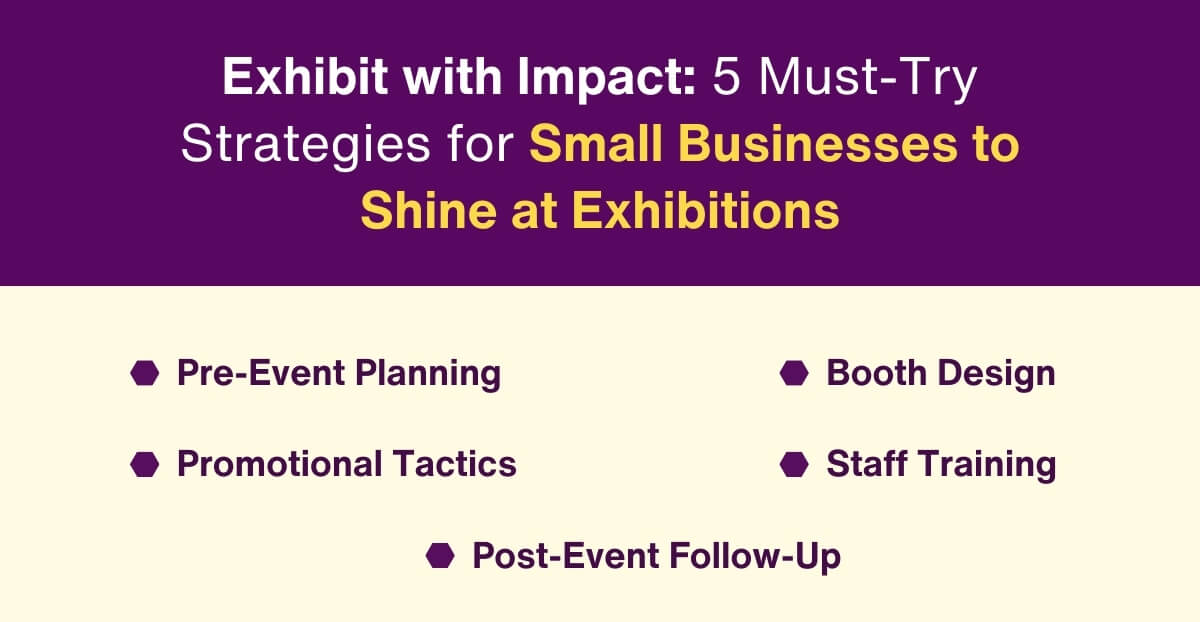
1. Pre-Event Planning
A successful exhibition marketing strategy begins long before the event itself. Detailed pre-event planning is crucial to ensure everything runs smoothly.
- Set Clear Objectives: Define what you want to achieve at the exhibition. Whether it’s generating leads, increasing brand awareness, or launching a new product, having clear goals will guide your exhibition marketing strategy.
- Research the Event: Understand the event’s audience, theme, and logistics. Choose exhibitions that align with your target market and business objectives.
- Budgeting: Plan your budget meticulously, covering costs for booth space, design, travel, accommodations, and marketing materials.
2. Booth Design
Your booth is the face of your business at the exhibition. A well-designed booth can attract and engage visitors effectively.
- Eye-Catching Displays: Use bright colours, large banners, and attractive visuals to draw attention.
- Interactive Elements: Incorporate interactive elements like product live demos to engage visitors.
- Comfortable Space: Ensure there’s enough space for visitors to move around and explore your offerings comfortably.
3. Promotional Tactics
Effective promotion is key to driving traffic to your booth and generating interest in your products.
- Pre-Event Marketing: Use social media, email marketing, and your website to announce your participation. Share teasers about what visitors can expect at your booth.
- Giveaways and Contests: Offer promotional items or run contests to attract visitors to your booth. Make sure the prizes are relevant to your brand.
- Special Offers: Provide exclusive discounts or deals for visitors who engage with your booth. This can incentivise on-the-spot purchases or sign-ups.
4. Staff Training
Your booth staff plays a critical role in representing your brand and engaging with attendees.
- Knowledgeable Staff: Ensure your team is well-informed about your products and services. They should be able to answer questions confidently and provide detailed information.
- Engagement Training: Train your staff to approach and engage visitors effectively. They should be friendly, approachable, and skilled in starting conversations.
- Lead Capture: Equip your staff with tools and techniques to capture leads efficiently. This could include digital forms, business card collections, or QR codes.
5. Post-Event Follow-Up
The work doesn’t end when the exhibition is over. Post-event follow-up is essential to convert leads into customers and measure your success.
- Follow-Up Emails: Send personalised follow-up emails to the leads you collected. Thank them for visiting your booth and providing additional information or offers.
- Analyse Performance: Review your performance against your objectives. Assess what worked well and what could be improved for future events.
- Engage on Social Media: Share photos and highlights from the event on your social media channels. Acknowledge and thank attendees and partners for their support.
Maximising Your Exhibition Impact with the deAsra Foundation
Leveraging the right resources can make all the difference in your exhibition’s success. For entrepreneurs looking to connect with the market, Market Linkage by deAsra Foundation offers the ultimate solution. This service includes opportunities to set up your stall and showcase your products in exhibitions hosted by renowned brands. Reach more customers and grow your sales!
Additionally, explore essential exhibition tips for choosing the right exhibition for your business by reading Are You Choosing the Right Exhibition for Your Business? and ensure you make the right choice.
FAQs
1. Why is pre-event planning important for exhibition marketing?
Pre-event planning helps ensure that all aspects of your exhibition strategy are well-organized and aligned with your goals. It includes setting objectives, budgeting, and researching the event, which are critical for a successful outcome.
2. How can I design an attractive booth for an exhibition?
Design an eye-catching booth with bright colours, large banners, and attractive visuals. Incorporate interactive elements like product demos and touch screens, and ensure there’s enough space for visitors to move around comfortably.
3. What are some effective promotional tactics for exhibitions?
Effective promotional tactics include pre-event marketing through social media and email, offering giveaways and contests, and providing exclusive discounts or deals to visitors at your booth.
4. How should I train my staff for an exhibition?
Train your staff to be knowledgeable about your products and services, to engage visitors effectively, and to capture leads efficiently. They should be friendly, approachable, and skilled in starting conversations.
5. What should I do after the exhibition to follow up?
Send personalised follow-up emails to the leads you collected, analyse your performance against your objectives, and share highlights from the event on social media. This helps convert leads into customers and measure your success.
6. How do I choose the right exhibition for my business?
Research the event’s audience, theme, and logistics to ensure it aligns with your target market and business objectives. Read Are You Choosing the Right Exhibition for Your Business? for detailed exhibition tips and considerations.
7. What are the benefits of using deAsra Foundation’s Market Linkage service?
deAsra Foundation’s Market Linkage service offers opportunities to set up your stall and showcase your products in exhibitions hosted by renowned brands. It helps you reach more customers and grow your sales.