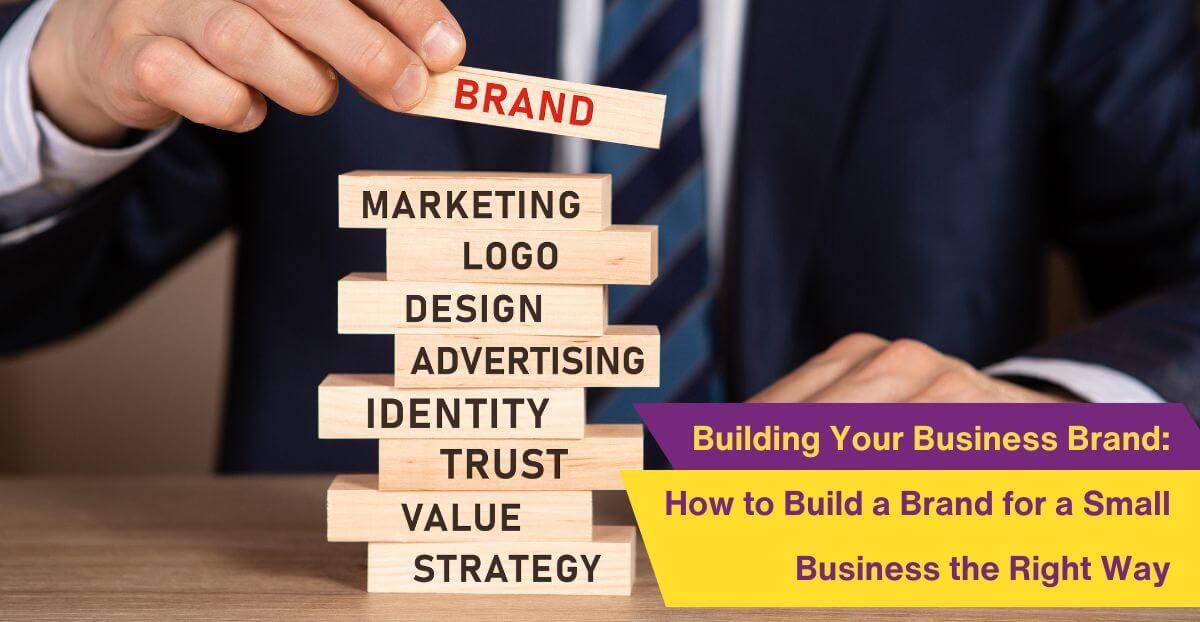
Building Your Business Brand: How to Build a Brand for a Small Business the Right Way
Your business brand is more than a logo – it’s the promise you keep every time a customer interacts with you. In deAsra’s dreamBIG podcast, Dhruva Pakhnikar, founder of Dominic’s Design Global, shares expert insights on how to build a brand for a small business.
Building your business brand means creating trust and emotional connections through strategy, not just visuals.
This blog, drawing on Dhruva’s advice and tips, guides industry leaders on how to build a brand for a small business using vision, customer focus, and brand consistency to create a lasting identity.
The Importance of Branding for Small Businesses
Building your business brand begins with understanding its role. Branding started as a way to mark ownership, like stamps on cattle, and evolved into authenticity seals, then modern emotional connections. Today, brands invite customers to engage, focusing on feelings. How to build a brand for a small business? Shape perceptions to build trust, making your business stand out in competitive markets.
Building your business brand is vital for small businesses, ensuring customers remember you for quality and reliability. Brand consistency in every interaction fosters loyalty, encouraging repeat business and word-of-mouth growth.
The Essence of Branding: More Than Visuals
Many believe building your business brand is about logos or taglines, but visuals are only a small part, 5–10%, of the process. How to build a brand for a small business? Focus on your business’s core: vision, values, and customer interactions. It’s like dressing for the context – formal for work, relaxed for leisure – tailored to your audience. Brand consistency in these elements builds trust, turning one-time buyers into loyal customers.
Building your business brand intentionally, as outlined in deAsra’s branding guide, is like planning a workout to achieve goals. How to build a brand for a small business involves aligning every touchpoint with your identity, creating a cohesive experience.
Key Branding Elements:
- Clear long-term vision.
- Unique market position.
- Understanding customer preferences.
- Messaging that connects emotionally.
- Reliable, consistent service.
Moving from Unconscious to Intentional Branding
Every small business is building its business brand, even without planning. Serving customers well or choosing a strategic location is branding by default. How to build a brand for a small business? Make these efforts deliberate. Brand consistency in interactions builds loyalty, making your business the preferred choice.
Formalising branding can happen at any stage. Like organising operations, building your business brand with a strategy drives growth. How to build a brand for a small business means setting goals and aligning efforts to resonate with customers, ensuring brand consistency over time.
Steps to Formalise Branding:
- Define your business objectives.
- Ask staff about their brand perceptions.
- Gather customer feedback.
- Review all communication channels.
- Align with your core vision.
Creating Brand Recall with Emotional Bonds
Building your business brand requires customers to think of you when deciding. How to build a brand for a small business? Anchor to one authentic idea, like quality or authenticity, leveraging the psychological principle that people remember paired associations. Brand consistency in messaging ensures recall, strengthening customer connections.
Repetition builds preference, known as the exposure effect – think of logos repeated in ads. Simple, consistent digital designs signal value, a tactic small businesses can use. Building your business brand with brand consistency creates emotional ties that keep customers coming back.
Recall Strategies:
- Connect to one clear concept.
- Maintain steady messaging.
- Engage senses through repetition.
- Stay creative and authentic.
Service Businesses: Prioritising Interactions
Service businesses, like consultancies, rely on people to build their business brand. How to build a brand for a small business in services? Ensure staff interactions reflect your values, as negative experiences can harm perceptions. Brand consistency in every encounter builds trust, encouraging repeat customers.
Standardising communication through guidelines ensures reliability, a practice small businesses can adopt. Building your business brand by training staff to deliver warmth maintains brand consistency, making customers feel valued. How to build a brand for a small business in services focuses on personal, dependable experiences.
Service Branding Tips:
- Create communication guidelines.
- Train staff on brand values.
- Align teams with your vision.
Steering Clear of Branding Pitfalls
Dhruva highlights mistakes in building your business brand:
- Viewing branding as just visuals.
- Mimicking competitors’ irrelevant campaigns.
- Undervaluing your brand by not adjusting prices.
- Ignoring design principles, like clarity.
- Overcomplicating logos with too many elements.
Mature brands must communicate responsibly to maintain trust. How to build a brand for a small business? Avoid errors that disrupt brand consistency, ensuring messaging respects customer emotions. Building your business brand demands authenticity to sustain loyalty.
Tools and Pricing: Delivering Value
AI tools like ChatGPT or Canva support building your business brand, enabling affordable visuals or content creation. They’re like tools in a toolbox – useful only with a plan. How to build a brand for a small business? Apply these tools with brand consistency, aligning with your vision to engage customers.
Pricing should reflect value. If branding enhances quality, prices can rise, like premium brands charging for unique features. Budget brands may streamline costs. Building your business brand ensures that pricing aligns with audience expectations, thereby maintaining brand consistency in perceived value.
Pricing Tips:
- Set prices based on quality.
- Understand audience budgets.
- Emphasise value or affordability.
Personal Branding: Amplifying Your Impact
Personal branding enhances building your business brand by connecting customers to your story. A founder’s authentic image, tied to the business vision, boosts recall. How to build a brand for a small business? Leaders should embody their brand, fostering brand consistency. Historical brands demonstrate the enduring power of personal branding.
Building your business brand through personal stories builds trust, making customers and staff feel connected. Brand consistency across personal and business identity strengthens emotional bonds, driving loyalty.
Working with a Branding Agency
Busy owners struggle to focus on building their business brand. Stepping back from daily tasks creates space for strategy. How to build a brand for a small business with experts? Choose an agency that grasps your vision, not just visuals, and offers market connections. Brand consistency in deliverables fuels growth.
Track progress through visuals and staff alignment. Building your business brand with professional support amplifies impact, ensuring brand consistency resonates with customers.
Resources for Further Learning
For more insights on branding and business growth, explore the deAsra Foundation’s dreamBIG series. This resource offers valuable guidance for entrepreneurs aiming to scale their businesses effectively.
Conclusion
Dhruva Pakhnikar’s insights reveal that building your business brand is about delivering a consistent promise. How to build a brand for a small business? Start with vision, align customer interactions, and maintain brand consistency to move from default branding to strategic growth. Document your efforts – messaging, service, or interactions – and align them with your goals. Building your business brand creates a trusted identity that customers choose repeatedly.
FAQs
1. What does building your business brand involve for a small business?
Building your business brand means creating a clear identity through vision, values, and customer interactions, not just visuals like logos. How to build a brand for a small business? Focus on delivering a consistent promise that builds trust. Brand consistency in service and messaging, like always offering reliable quality, helps customers remember you. Building your business brand sets you apart, fostering loyalty and growth in competitive markets.
2. When should I start building my business brand if I’ve been operating for years?
Building your business brand can begin at any time, even after years of running your business. How to build a brand for a small business? Formalise efforts you’re already doing, like serving customers well, by aligning them with a clear vision. Brand consistency in these interactions strengthens customer trust. Building your business brand intentionally, as deAsra’s guide suggests, is like organising operations to scale, boosting your market presence.
3. How can I ensure recall while building my business brand on a budget?
Building your business brand affordably involves linking to one authentic idea, like quality or tradition. How to build a brand for a small business? Use repetition, such as consistent social media posts, to make your brand memorable, as per deAsra’s blog. Brand consistency in simple messaging builds preference. Building your business brand with free tools like Canva, used strategically, ensures customers recall you when deciding.
4. What mistakes should I avoid when building my business brand?
Building your business brand can falter if you see it as just logos, copy competitors’ irrelevant campaigns, or fail to raise prices as quality grows. How to build a brand for a small business? Prioritise authenticity and clear design, avoiding cluttered visuals. Brand consistency prevents confusion and builds trust. Building your business brand requires avoiding these pitfalls to maintain a strong, reliable identity.
5. How does personal branding aid in building my business brand?
Building your business brand is enhanced by personal branding, where your story connects customers to your business. How to build a brand for a small business? Align your personal image with your vision, like a founder embodying their brand’s values. Brand consistency between personal and business identity builds trust. Building your business brand through personal authenticity inspires loyalty, making your business relatable.