Leveraging eLearning: How to Create Engaging Online Employee Training
Imagine skipping insurance because you believe accidents never happen to you. Yet, wise individuals invest in it anyway, recognising its value in tough times. In the same way, employee training acts as a safeguard and booster for business success. Many leaders overlook this, but embracing online employee training transforms teams, especially in today’s digital world. As discussed in the deAsra Foundation’s dreamBIG podcast, where Mr. Anand Godse hosts experts like Sajiri Chidgupkar, investing in people drives growth.
deAsra supports and engages entrepreneurs through such insights, showing how employee training programs build stronger organisations. For more on this episode, explore Training and Retention. This blog delves into leveraging eLearning to craft engaging online employee training, highlighting the benefits of digital platforms, best practices, and engagement strategies for remote workers.
Understanding the Benefits of Digital Training Platforms (LMS)
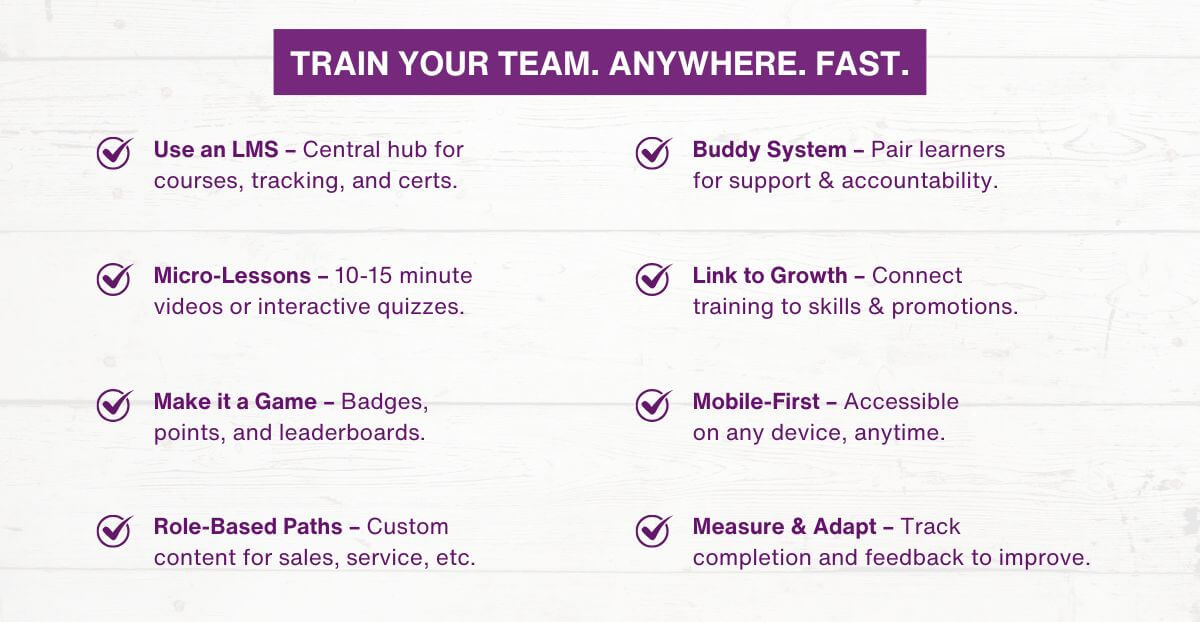
Digital training platforms, commonly called Learning Management Systems (LMS), provide flexible access to materials at any time from any location. Organisations can easily upload courses, monitor progress, and issue certifications. Industry leaders benefit from lower costs, eliminating expenses for physical venues or travel. These platforms allow customisation to fit exact business requirements. Employees progress at their preferred speed, improving knowledge retention and job satisfaction. In smaller setups with tight budgets, LMS makes quality employee training accessible and affordable.
LMS tools promote teamwork via discussion forums, quizzes, and shared activities. Virtual interactions help teams exchange ideas and tackle issues collectively. This builds a habit of ongoing development, essential in fast-evolving industries. Built-in analytics offer valuable data on employee training programs, revealing completion statistics and areas needing improvement. Leaders use this information to fine-tune strategies, keeping online employee training effective and up-to-date. Sajiri Chidgupkar, founder of AnD HR Solutions, states in the dreamBIG podcast: “Every employee needs training… the employer’s major role is investing in training.” Such commitment creates capable and dedicated teams prepared for any obstacles.
Best Practices for Designing Virtual Training Modules
Begin with a thorough needs assessment using surveys, performance reviews, or direct conversations to pinpoint skill shortages. Define objectives that are specific, measurable, achievable, relevant, and time-bound. Keep content short and focused, ideally in bite-sized modules of 10-15 minutes to hold interest. Use videos, animations, and interactive quizzes to bring online employee training to life.
Always test drafts with a pilot group and collect honest feedback for improvements. Maintain a central document outlining the structure for uniformity across sessions. Smaller companies can combine in-house knowledge with external modules to refresh employee training programs. This method reduces pushback since participants quickly see personal gains. Update materials periodically to reflect new tools or regulations. Prioritising interactivity transforms routine employee training into something employees look forward to, resulting in stronger performance.

Strategies to Keep Remote Employees Engaged in Online Training
Introduce gamification with badges, points, and leaderboards to inject excitement into online employee training. Remote staff respond well to these competitive yet friendly elements. Arrange regular virtual meetings for questions and peer sharing to create a sense of belonging. Customise learning paths according to job roles, making the material directly applicable and cutting down on disinterest. Allow flexible pacing but include soft reminders to keep everyone on track. These steps help remote teams feel supported and involved in their employee training.
Build responsibility through buddy pairings where colleagues check in on progress virtually. Acknowledge completions with public praise or small rewards via company channels. Monitor participation data to identify and fix low-engagement spots promptly. Adding social tools like group chats encourages casual exchanges. This maintains enthusiasm and forges stronger connections despite distances.
Implementing Effective Employee Training Programs in a Digital Era
Create a clear roadmap detailing objectives, delivery methods, and schedules for employee training programs. Tools such as Asana or Microsoft Teams help coordinate efforts smoothly. Seek input from staff early to gain their commitment and address concerns. Prioritise mobile compatibility for easy access on phones or tablets. Track outcomes with indicators like improved output or survey responses. This organised method allows employee training to expand alongside your company without chaos.
Iterate based on ongoing reviews and suggestions. Link online employee training to promotion opportunities to demonstrate long-term value. Business owners in compact teams can personally guide early virtual sessions, later assigning facilitators. Allocate funds smartly by starting with no-cost options. deAsra supports and engages leaders with actionable guidance, detailed in their resource How to Develop an Effective Employee Training Program. Consistent evolution keeps employee training programs aligned with technological progress.
Overcoming Common Challenges in Online Employee Training
Tackle tech hurdles by offering straightforward tutorials and dedicated help desks for online employee training. Choose intuitive interfaces and run orientation sessions. Busy schedules suit short, on-demand segments rather than long commitments. Tie finishes to perks like extra leave or recognition to spark involvement. Adapt materials for different backgrounds to ensure everyone feels included. Frequent updates from managers set clear expectations and build comfort.
Counter reluctance with transparent talks about advantages, such as career advancement. Vary delivery with podcasts, infographics, and live demos to prevent screen weariness in remote setups. Use dashboards for oversight without intrusion, sending friendly prompts when necessary. Forward-thinking handling converts obstacles into strengths for employee training programs. Leaders who prepare well develop durable employee training frameworks that support enduring achievement.
Measuring the Success of Your Online Training Initiatives
Define success markers upfront, including pass rates for assessments and module finishes. LMS reports supply hard numbers on employee training impact. Collect opinions via quick polls to understand feelings and suggestions. Examine before-and-after metrics, such as fewer mistakes or higher client satisfaction. This balanced evaluation shows the true return from online employee training and supports continued funding.
Communicate findings openly to reinforce confidence and participation. Tweak employee training programs accordingly, like adding more visuals if attention wanes. Mark achievements with team celebrations to uplift spirits. Sector leaders gain from this evidence-based mindset, tying development directly to objectives. Periodic checks ensure employee training stays responsive to shifting demands.
Conclusion
Adopting eLearning via well-designed online employee training equips companies to excel. Utilising LMS advantages, following proven methods, and motivating distant staff cultivate expert and enthusiastic employees. deAsra supports and engages business owners throughout this process with tools like the dreamBIG podcast. Committing to employee training produces efficient, committed groups equipped for tomorrow’s demands. Begin modestly, track advancements, and observe your enterprise flourish.

FAQs
1. What is the first step in creating engaging online employee training?
Assess team requirements via feedback forms, observations, and talks to spot gaps. This directs employee training programs towards priority topics, enhancing relevance. Set aligned goals and involve staff for ownership. Strong starts like this propel successful online employee training with higher involvement.
2. How can small businesses afford digital training platforms?
Opt for affordable or free systems such as TalentLMS trials or open-source alternatives. Use public videos and documents for core employee training. deAsra supports and engages with tips on subsidies for SMEs. Choose expandable solutions to keep online employee training cost-effective yet impactful.
3. What role does gamification play in employee training programs?
It adds rewards and challenges to render employee training programs enjoyable and competitive. Remote participants stay motivated through visible progress tracking. Within online employee training, it boosts completion and recall. Easy integration via platform tools helps maintain interest and participation.
4. How do you evaluate the effectiveness of online employee training?
Combine quantitative data like scores and attendance with qualitative input from polls. Observe on-the-job changes for practical proof in employee training. Dashboards offer quick views for timely tweaks. Comprehensive reviews confirm that online employee training delivers value and informs upgrades.
5. Why is personalisation important in employee training?
It matches content to specific duties and preferences, raising the usefulness of employee training. Custom tracks suit varied paces, improving employee training programs. Remote flexibility promotes responsibility and contentment. Better absorption and morale result, enhancing workforce capability.