7 Successful Women Entrepreneurs in Rural India: Inspiring Stories and Lessons
Did you know, that approximately 20.5% of Indian women are MSME owners and contribute to over 18.73% of the labour force, along with 10.22% of turnover, according to a report by IBEF? This growing trend of women-led businesses is shaping the future of India’s rural economy. Let’s explore some remarkable women entrepreneurs from rural India who have achieved great success and have empowered other women to follow in their footsteps.
The impact of women entrepreneurs in India has been profound. According to recent reports, there has been a significant increase in the number of women starting businesses in the country.
This rise in female entrepreneurs is not just about financial success; it’s about creating an ecosystem of resilience, adaptability, and empowerment. Let’s explore some remarkable success stories of successful women entrepreneurs in India, who have overcome obstacles and built thriving businesses, especially in rural areas.
1. Shri Mahila Griha Udyog – Lijjat Papad
In 1959, seven women in a small building in Girgaon, Southern Mumbai, came together to create a revolutionary model of entrepreneurship – Shri Mahila Griha Udyog Lijjat Papad. Founded by Jaswantiben Jamnadas Popat, Parvatiben Ramdas Thodani, and others, the brand started by making papads, masalas, and other food products.
What began as a small initiative has now grown into a market leader with a 50% market share in India. Their remarkable achievement includes an annual turnover of Rs 1600 crores (2019) and employing over 45,000 women across the country (as of 2001). Their success proves that with vision, dedication, and teamwork, even the smallest beginnings can lead to extraordinary outcomes.
2. Bina Devi – The Mushroom Lady from Bihar
Bina Devi, also known as The Mushroom Lady, hails from Munger, Bihar. Despite facing the usual challenges of rural women, including managing household responsibilities, Bina embarked on a journey of mushroom cultivation. She grew her first batch of mushrooms under her bed due to limited space, but with persistence and skill, she eventually became an inspiration to many.
Bina helped 1,500 women in the Munger district start mushroom farming, and today, she is a recognised leader in rural entrepreneurship. Her efforts were recognised in 2020 when she received the Nari Shakti Samman from President Ram Nath Kovind for her contribution to agriculture.
3. Pabiben Rabadi – Founder of Pabiben.com from Kutch, Gujarat
Pabiben Rabari, a star embroidery artist from Kutch, Gujarat, has gained international recognition for her unique ‘Hari Jari’ embroidery technique. This innovative method, using trims, ribbons, and a mix of hand and machine stitches, led to the creation of her famous shopping bags called Pabi Bags.
Her work gained immense popularity, even catching the attention of Bollywood and Hollywood filmmakers. Today, through her Pabiben.com platform, Pabiben sells handmade bags and accessories, turning her passion into a thriving D2C brand. With a lifetime sale of Rs 2 crores, she has become an influential figure in both the traditional and modern craft world.
4. Chetna Gala Sinha – Founder of Mann Deshi Mahila Sahakari Bank
Chetna Gala Sinha is a social activist and a pioneer in empowering rural women through financial independence. In 1997, she founded Mann Deshi Mahila Sahakari Bank, India’s first bank dedicated solely to rural women. This bank has given over $50 million in loans and support to women entrepreneurs by 2018, helping them build sustainable businesses.
Along with the bank, she established the Mann Deshi Foundation, which runs a variety of initiatives, including community radio and a school aimed at empowering women entrepreneurs in rural India. Chetna’s story proves the transformative power of financial access and education for women.
5. Kanika Talukdar – Founder of Jay Vermi Compost
Kanika Talukdar‘s journey from personal tragedy to entrepreneurship is nothing short of inspiring. Widowed at 27, with a 4-month-old daughter, Kanika rose from her challenges by learning vermicomposting in her hometown of Nalbari, Assam. Starting with just Rs 500 and a kilogram of earthworms, she launched Jay Vermi Compost, a business that makes organic compost from paddy residue, hyacinth stems, cow dung, and bamboo pits.
Today, Kanika earns Rs 3.5 lakh per month, selling her products through Amazon, and Flipkart, and directly to farmers across the eastern region. Her success highlights the power of resilience and innovation in turning adversity into opportunity.
6. Chhavi Rajawat – Sarpanch of Soda Village
Chhavi Rajawat’s story is a powerful example of leadership and transformation in rural India. As the Sarpanch (village head) of Soda, a small village in Rajasthan, she became the youngest woman to lead a village in India. Chhavi is a passionate advocate for rural development and women’s empowerment. She introduced several initiatives aimed at improving the lives of her community, including programs for better sanitation, education, and the empowerment of women through skill-building.
Chhavi faced initial resistance due to her young age and the traditional mindset of the village. However, her strategic thinking and determination helped her bring about significant changes in the community. Her work has been recognised nationally, and she continues to be a role model for women entrepreneurs in rural India.
7. Sonalika Kothari – Rural Entrepreneurship in Agriculture
Sonalika Kothari is an inspiring example of a successful woman entrepreneur in India who has made a mark in rural agriculture. As the founder of AgroTech Solutions, she focuses on using technology to empower farmers in rural India. Sonalika saw the potential for agricultural innovations to increase crop yields and improve farmers’ livelihoods. She introduced organic farming practices, as well as mobile applications and digital tools to help farmers access market prices, weather forecasts, and farming advice.
By working directly with farmers and using technology to bridge gaps in the agricultural supply chain, Sonalika has made a significant impact on rural communities. Her ability to merge technology with agriculture has led to more sustainable practices and better income for rural farmers. Despite the challenges of rural infrastructure, Sonalika’s success proves that women in rural India can drive change through innovation and persistence.
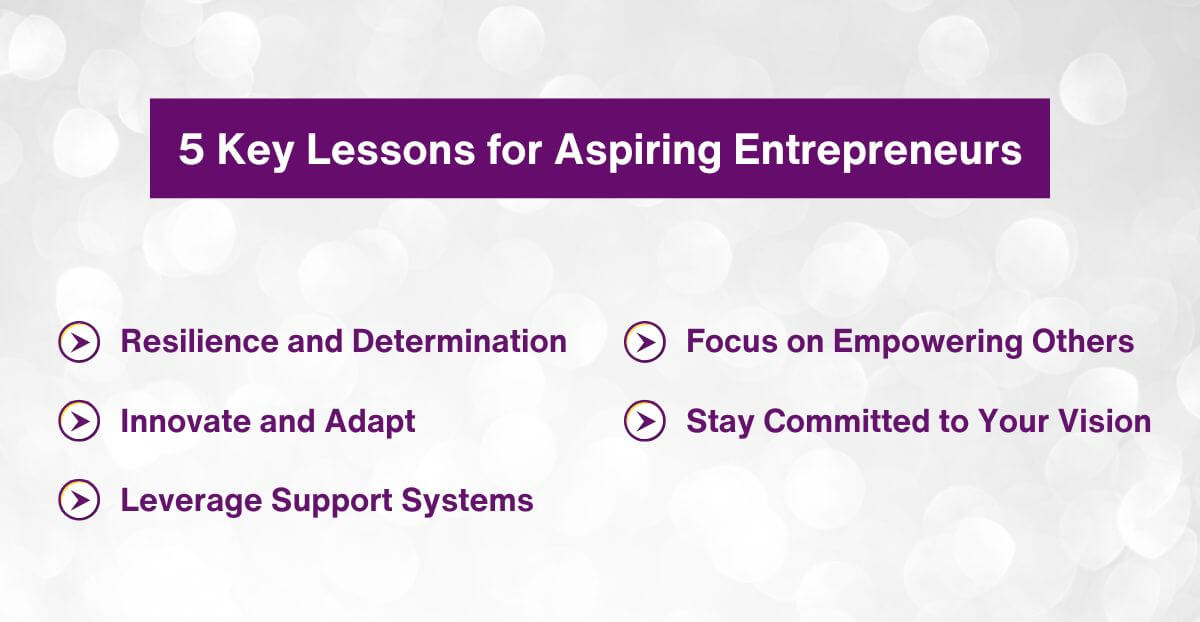
5 Key Lessons for Aspiring Entrepreneurs
The stories of these remarkable successful women entrepreneurs in India offer several important lessons for aspiring business owners, particularly in rural areas.
1. Resilience and Determination
Every successful woman entrepreneur has faced significant challenges. Whether it’s financial hurdles, societal resistance, or logistical difficulties, resilience has been key to overcoming these obstacles. Entrepreneurs need to be prepared to face setbacks and view them as opportunities for growth.
2. Innovate and Adapt
The business world is ever-evolving, and so is the rural market. Successful entrepreneurs understand the importance of innovation, whether it’s in product development or using new technologies to improve operations. Adapting to market changes is essential for long-term success.
3. Leverage Support Systems
The entrepreneurial journey can be overwhelming, but with the right guidance, it becomes much more manageable. Platforms like the deAsra Foundation offer expert consultations to help entrepreneurs navigate through challenges and scale their businesses. Aspiring entrepreneurs must tap into these resources to access mentorship and advice from experienced professionals.
4. Focus on Empowering Others
True entrepreneurship isn’t just about personal success; it’s about uplifting others. Many of the successful women entrepreneurs in India focus on creating job opportunities and empowering other women in their communities. By providing skills training and employment, entrepreneurs can make a more significant impact.
5. Stay Committed to Your Vision
Entrepreneurship is a long and challenging journey, but staying true to one’s vision can lead to success. It’s important to set clear goals, stay focused, and maintain passion for one’s business even in difficult times.
Conclusion
The success stories of women entrepreneurs in India from rural areas highlight the transformative power of entrepreneurship. These women are leading the charge in various industries, from agriculture to technology and handicrafts. Their stories inspire us to believe in our potential and take the leap toward building our own businesses. With resilience, innovation, and the right support system, any woman can turn her vision into reality.
For those looking to start their own entrepreneurial journey, there are numerous resources and support systems available to help guide them. Whether it’s expert advice or training programs, there are plenty of opportunities to grow and succeed. Keep learning, stay committed, and surround yourself with supportive networks. The road may be challenging, but the rewards are truly worth it.
For more information on how to get started on your entrepreneurial journey, visit deAsra’s blog on business success for women.
FAQs
1. What is the role of MSMEs in supporting women entrepreneurs in rural India?
MSMEs (Micro, Small, and Medium Enterprises) play a crucial role by providing access to resources, financial support, and market opportunities, empowering women to start and scale businesses in rural India.
2. How can rural women access funding for entrepreneurship?
Rural women can access funding through government schemes, microfinance institutions, and women-specific bank loans, such as those provided by Mann Deshi Mahila Sahakari Bank.
3. What skills are essential for rural women entrepreneurs to succeed?
Essential skills include financial literacy, marketing, technical know-how related to their industry, and leadership, along with the ability to adapt to changing market demands.
4. How has technology impacted rural women entrepreneurs?
Technology has facilitated access to markets, financial tools, and education, enabling rural women to run businesses more efficiently, reach global markets, and enhance production processes.
5. What are the key challenges faced by women entrepreneurs in rural India?
Challenges include limited access to capital, lack of infrastructure, social barriers, and insufficient business training, all of which hinder growth and scalability.